Affordable, Reliable and Economical Cars for New Drivers
Buying your first car is one of the most exciting milestones for any young driver. Whether you have recently passed your driving test, are still learning or are preparing to buy your first vehicle, choosing the right car can have a major effect on your overall motoring costs.
For first-time drivers in Ireland, the purchase price is only the beginning. Insurance, fuel, motor tax, servicing, tyres, repairs and depreciation can quickly make an apparently cheap car expensive to own.
The best first cars for young drivers are generally compact, economical, easy to drive and widely supported by garages and parts suppliers. However, no particular model is guaranteed to be cheap to insure. Your premium will depend on factors such as your age, address, driving experience, licence type, claims history and the exact vehicle specification.
Before buying any car, request an insurance quote using its registration number or complete vehicle details.
Browse used cars for sale across Ireland on Bargaindigger.ie
What Makes a Good First Car?
A suitable first car should be affordable to purchase without creating excessive ongoing expenses.
Important factors include:
- Competitive insurance quotations
- Sensible engine performance
- Good fuel economy
- Proven reliability
- Affordable servicing and replacement parts
- Strong safety equipment
- Easy handling and parking
- A clear maintenance history
- Good availability on the used-car market
Appearance and performance are understandably important to many young drivers, but condition, safety and ownership costs should come first.
A standard car with a modest engine will usually be a more sensible first purchase than a sporty, heavily modified or unusually powerful version.
1. Toyota Yaris
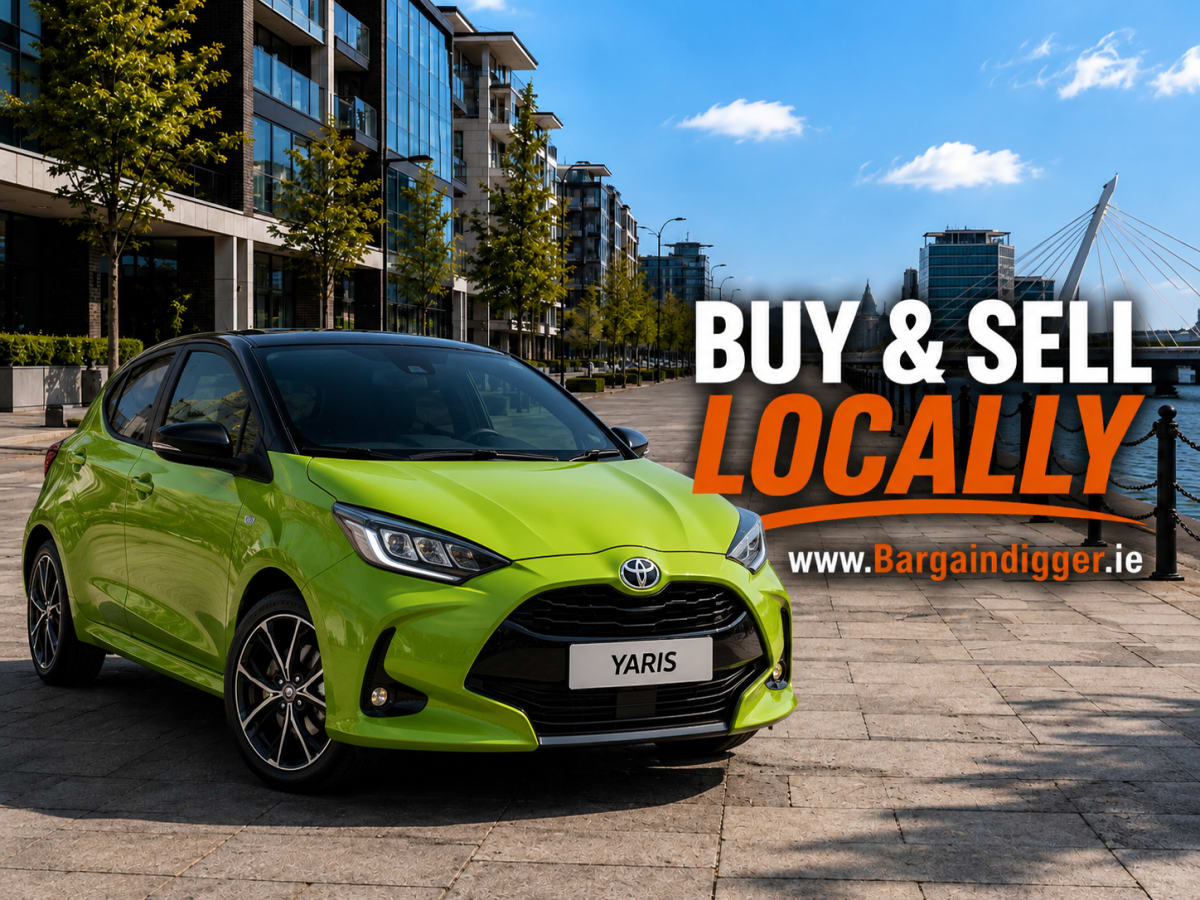
The Toyota Yaris remains one of the strongest all-round choices for new drivers in Ireland.
It is compact enough for urban driving but practical enough for commuting and occasional longer journeys. Used examples are widely available, and the Yaris has built a strong reputation for dependable everyday motoring.
Smaller petrol versions are particularly worth considering, although the exact year, engine, trim level and condition should always be checked carefully.
Why Consider a Toyota Yaris?
- Compact and easy to park
- Economical petrol engines
- Practical interior
- Good used-car availability
- Straightforward everyday driving
- Strong reputation for reliability
Newer hybrid versions can offer excellent urban fuel economy, but they may cost more to purchase and should be compared with standard petrol models before making a decision.
2. Hyundai i10

The Hyundai i10 is a compact city car designed for drivers who prioritise easy handling and affordable ownership.
Its small dimensions make it simple to manoeuvre through busy streets and tight parking spaces. Despite its size, the i10 provides a practical cabin and can comfortably manage everyday commuting.
Entry-level petrol versions may be particularly suitable for first-time drivers, but insurance quotations should still be obtained for the exact car.
Why Consider a Hyundai i10?
- Easy to drive and park
- Compact exterior dimensions
- Economical engine options
- Practical city-car interior
- Generally manageable servicing costs
- Good equipment on many newer versions
Drivers who regularly travel long distances should take the i10 for a motorway test drive to make sure its refinement and performance meet their needs.
3. Toyota Aygo
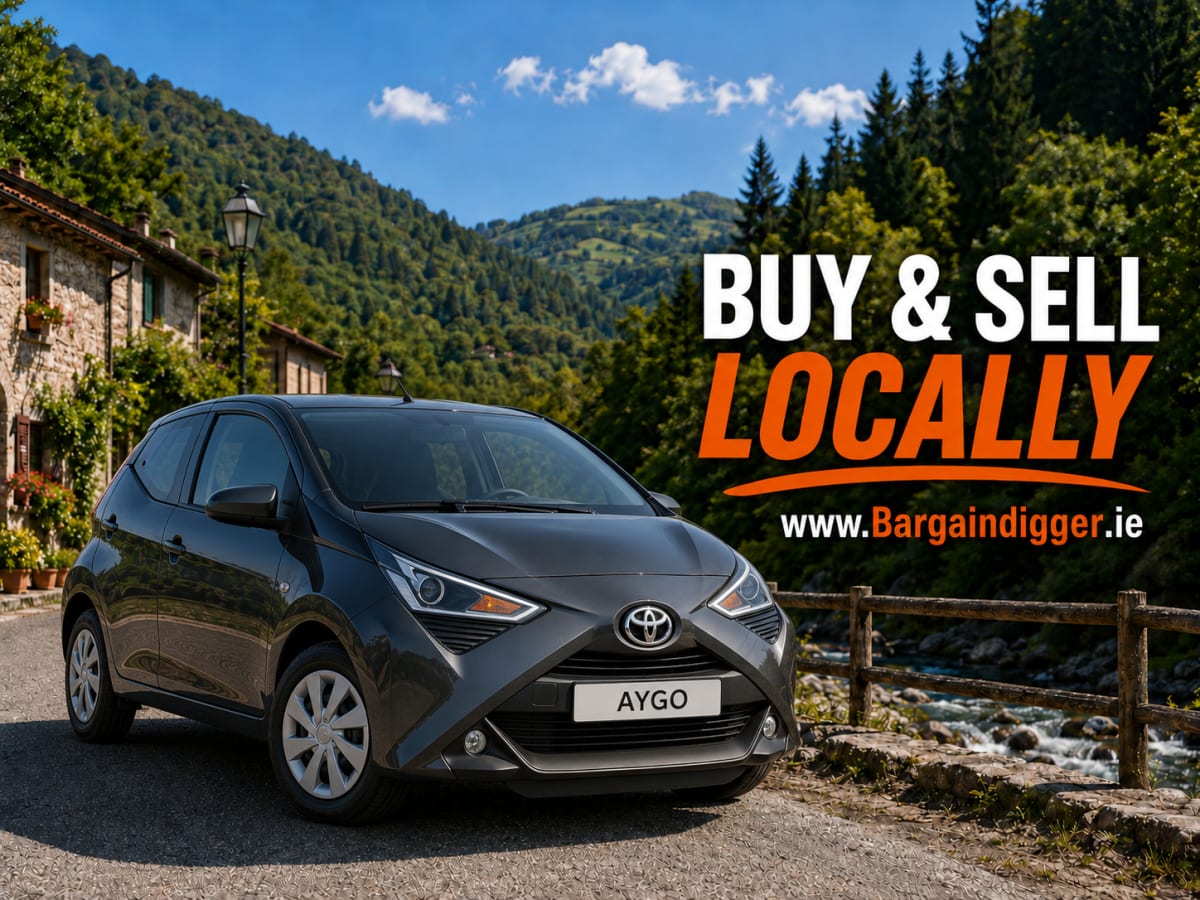
The Toyota Aygo is another excellent option for students, first-time buyers and drivers who mainly travel around towns and cities.
Its compact size, lightweight design and small petrol engine help keep everyday running costs manageable. It is especially suitable for short journeys, commuting and urban parking.
The original Aygo and the newer Aygo X are different vehicles in terms of design, value and equipment, so buyers should compare their insurance quotations separately.
Why Consider a Toyota Aygo?
- Excellent for urban driving
- Very easy to park
- Economical petrol engine
- Compact and uncomplicated design
- Widely available as a used car
- Suitable for low-mileage drivers
The rear seats and boot are relatively small, so buyers who regularly carry several passengers or large amounts of luggage may prefer a Yaris, Fabia or Sandero.
4. Ford Fiesta
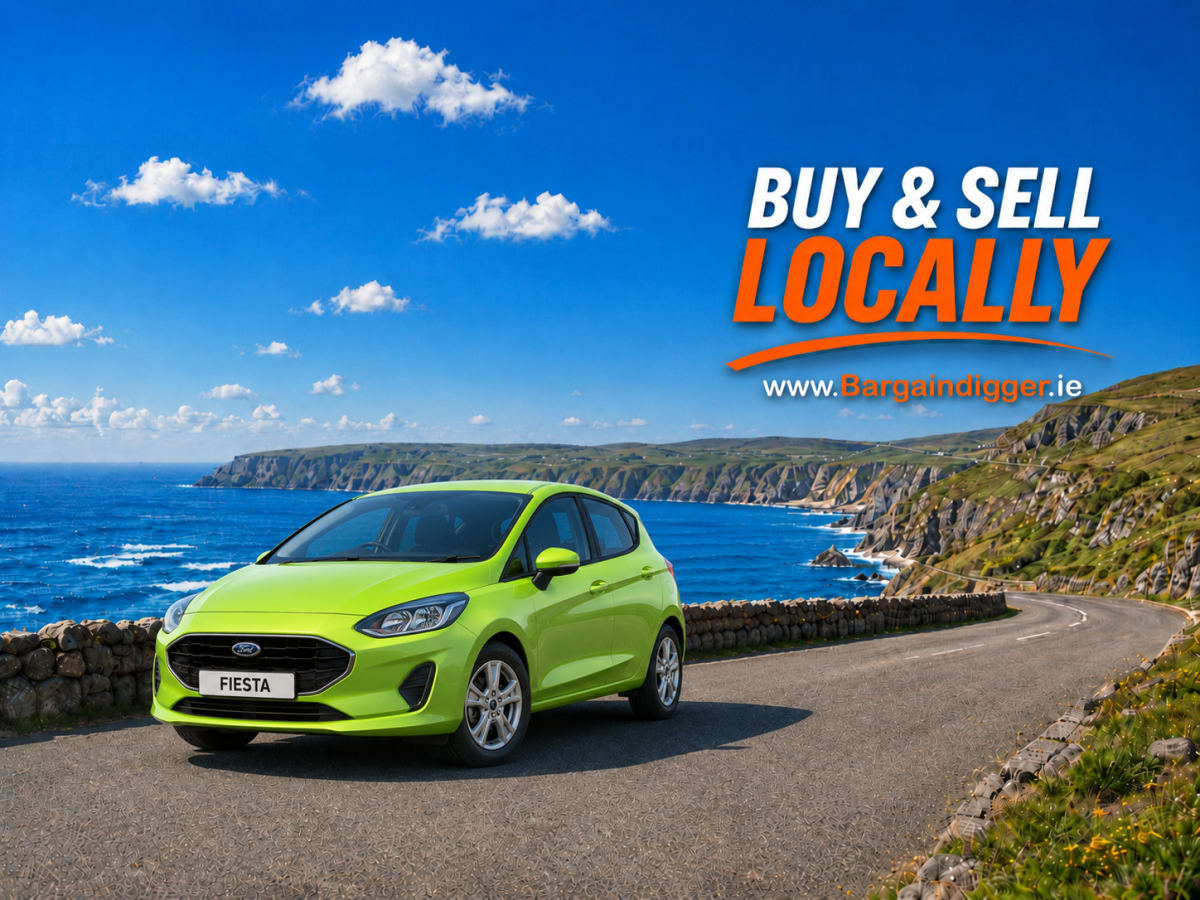
The Ford Fiesta remains one of the most widely recognised small cars on the Irish used-car market.
It offers responsive handling, a comfortable driving position and a broad choice of model years, engines and trim levels. Its popularity also means that replacement parts and used examples are generally easy to find.
However, not every Fiesta is equally suitable for a new driver. Performance versions, modified cars and more powerful engines may be significantly more expensive to insure.
Why Consider a Ford Fiesta?
- Enjoyable and predictable handling
- Broad selection on the used market
- Comfortable for everyday driving
- Good availability of parts
- Practical five-door versions
- Suitable for urban and motorway use
Check the service history carefully because maintenance requirements vary between different engines and generations.
5. Volkswagen Polo

The Volkswagen Polo may appeal to young drivers looking for a small car with a more refined interior and comfortable motorway manners.
It feels solid and mature on the road while remaining compact enough for city driving. There are many versions available, ranging from basic petrol models to considerably more powerful specifications.
A standard entry-level Polo can be a sensible first car, but sportier trims and GTI versions are unlikely to offer the same ownership or insurance costs.
Why Consider a Volkswagen Polo?
- Refined driving experience
- Comfortable interior
- Useful passenger and luggage space
- Wide choice of used examples
- Good motorway stability
- Modern safety equipment on newer generations
Compare several engines and trim levels before buying because two visually similar Polos may receive very different insurance quotations.
Browse Volkswagen cars for sale
6. Skoda Fabia

The Skoda Fabia is often overlooked by first-time buyers, but it can provide excellent practicality and value.
It shares technology with other Volkswagen Group cars while often offering more interior space for the purchase price. The Fabia is available as a hatchback and, in some generations, a practical estate.
Lower-powered petrol versions are likely to be the most relevant to young drivers.
Why Consider a Skoda Fabia?
- Spacious for a small hatchback
- Practical boot
- Sensible engine selection
- Comfortable driving position
- Good value on the used market
- Widely available replacement parts
Avoid choosing solely on price. A well-maintained Fabia with clear service records is generally a better purchase than a cheaper example requiring tyres, brakes or overdue maintenance.
7. Nissan Micra
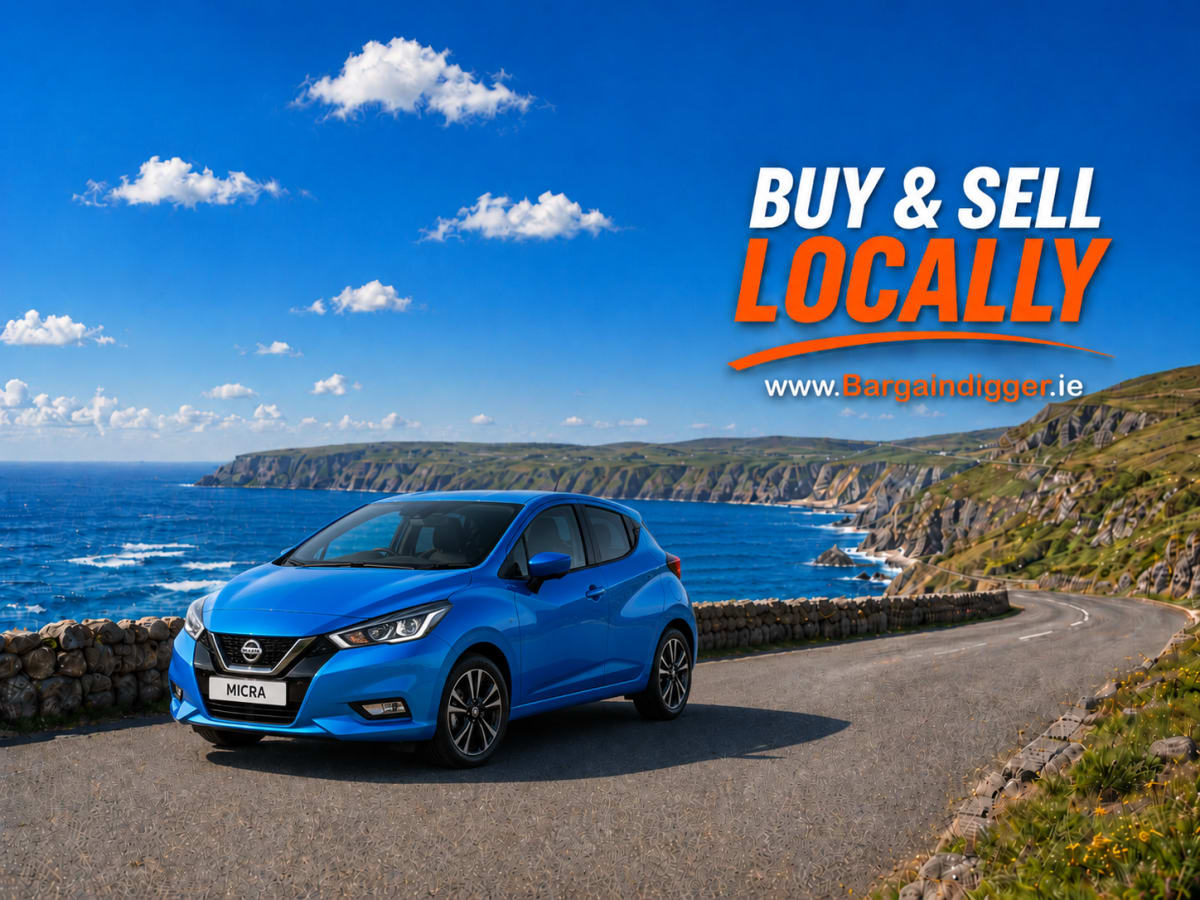
The Nissan Micra has long been associated with straightforward and affordable everyday transport.
Its light controls and compact dimensions can make it less intimidating for inexperienced drivers. Several generations are available in Ireland, so the age, design, safety equipment and mechanical condition can vary considerably.
Newer Micras provide more modern technology, while older examples may offer a lower purchase price.
Why Consider a Nissan Micra?
- Easy manoeuvrability
- Compact dimensions
- Straightforward controls
- Choice of different price ranges
- Practical five-door body
- Suitable for city and suburban use
Insurance providers may treat different Micra generations differently, so always use the exact registration when requesting a quote.
8. Kia Picanto

The Kia Picanto is a small city car with a compact footprint, modern appearance and practical five-door design.
It is well suited to urban commuting, short journeys and drivers who do not require a large boot. Many newer examples also include useful comfort, connectivity and safety features.
Standard versions with modest petrol engines are likely to be more appropriate for new drivers than sportier or highly equipped specifications.
Why Consider a Kia Picanto?
- Small and easy to park
- Economical petrol engines
- Practical five-door layout
- Modern styling
- Good urban visibility
- Manageable everyday running costs
When buying a newer example, check whether any original manufacturer warranty remains and confirm that servicing requirements have been followed correctly.
9. SEAT Ibiza

The SEAT Ibiza offers more distinctive styling than many traditional first cars while retaining practical small-hatchback dimensions.
It shares technology with the Volkswagen Polo and Skoda Fabia, but its design and driving character may appeal more strongly to younger buyers.
Entry-level petrol versions are the most sensible place to begin. More powerful FR specifications may produce higher insurance quotations, even when the exterior differences appear relatively small.
Why Consider a SEAT Ibiza?
- Modern exterior design
- Practical five-door versions
- Comfortable driving position
- Efficient petrol engines
- Good passenger space
- Suitable for city and motorway driving
Check the exact engine output and trim level before obtaining insurance because the Ibiza range includes both economical and performance-oriented versions.
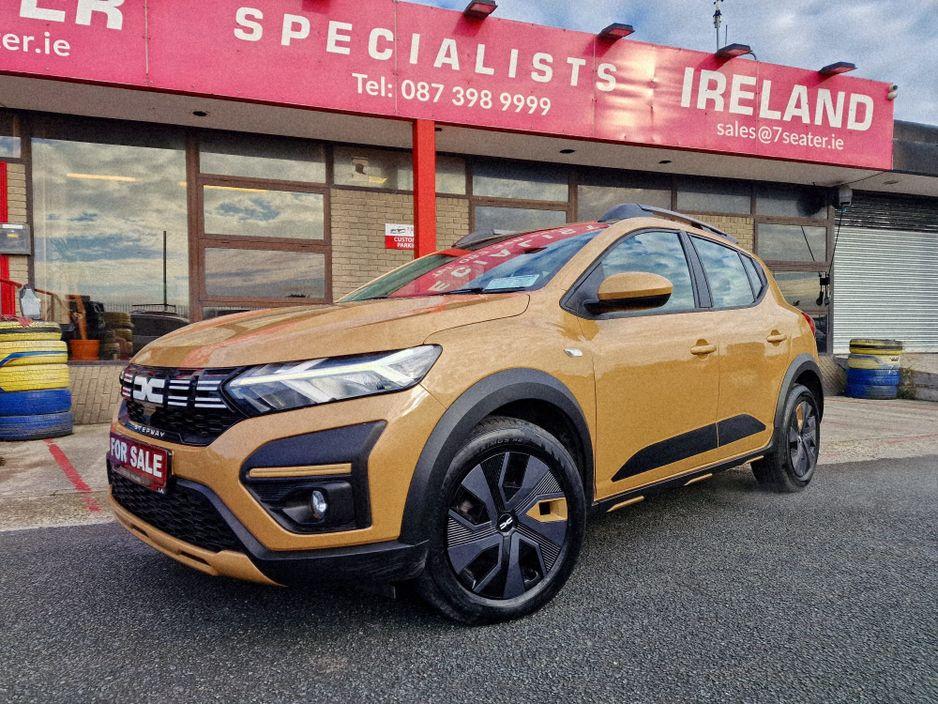
10. Dacia Sandero

The Dacia Sandero is a strong option for first-time drivers who need more interior and luggage space than a traditional city car provides.
It focuses on affordability and practicality rather than premium materials or complicated technology. This can make it attractive to buyers looking for a straightforward car at a reasonable price.
Newer Sandero models feel considerably more modern than earlier generations, so compare equipment, safety features and condition carefully.
Why Consider a Dacia Sandero?
- Spacious interior
- Useful boot capacity
- Competitive used prices
- Straightforward controls
- Practical five-door design
- Suitable for passengers and luggage
The Sandero is larger than an Aygo, i10 or Picanto, making it particularly useful for drivers who regularly carry friends, family members or work equipment.
Petrol, Hybrid or Diesel for a First Car?
For many young drivers completing short and medium-distance journeys, a small petrol car is the simplest place to begin.
Petrol cars are widely available, and smaller engines can provide a good balance between purchase price, fuel consumption and everyday usability.
A hybrid such as the Toyota Yaris Hybrid may also suit drivers completing frequent urban journeys, although the initial purchase price may be higher.
Diesel may be worth considering for drivers covering substantial annual motorway mileage. However, a diesel should not automatically be selected simply because its advertised fuel economy looks attractive. Servicing history, emissions-system condition and the buyer’s typical driving pattern must also be considered.
The best fuel type depends on how the vehicle will actually be used.
How to Reduce First-Car Insurance Costs
Insurance quotations can vary considerably between providers and between different versions of the same car. CCPC guidance recommends comparing not only the premium but also the cover, exclusions and policy excess.
Get Quotes Before Buying
Request quotations before paying a deposit.
Use the exact registration number where possible. A different engine, trim level or model year can change the price significantly.
Compare Several Providers
Do not assume that your first quotation represents the general market price.
Compare:
- Annual premium
- Compulsory and voluntary excess
- Level of cover
- Breakdown assistance
- Windscreen protection
- Driving restrictions
- No-claims bonus conditions
The lowest premium is not necessarily the policy offering the best overall value.
Build a No-Claims Bonus in Your Own Name
Holding a policy in your own name and driving claim-free can help you build a no-claims bonus.
Experience as a named driver may be recognised by some insurers, but it is not the same as building a full no-claims bonus as the policyholder.
Use Named Drivers Correctly
An experienced person can be added as a named driver when they will genuinely use the car.
The policy must accurately identify the real main driver. Never give misleading information simply to obtain a lower quotation.
Avoid Modified Cars
Modified suspension, wheels, engine software, exhaust systems and bodywork can increase costs or reduce the number of insurers willing to provide cover.
All modifications must be declared.
Choose a Sensible Specification
A basic model with a modest engine may be more suitable than a performance trim.
Examples such as a Polo GTI, Fiesta ST or unusually powerful Ibiza may look similar to standard versions but can have completely different insurance and ownership costs.
Common First-Time Buyer Mistakes
Many first-time buyers concentrate on the purchase price and ignore the cost of preparing the car for regular use.
Common mistakes include:
- Buying before receiving an insurance quotation
- Choosing a car based on appearance alone
- Ignoring warning lights
- Accepting incomplete service records
- Buying a modified vehicle without understanding the changes
- Skipping a history check
- Assuming a valid NCT guarantees good mechanical condition
- Failing to budget for tyres, servicing and repairs
- Paying without confirming the seller’s identity and documentation
A slightly more expensive car in good condition may ultimately cost less than a cheaper vehicle requiring immediate repairs.
What to Check Before Buying Your First Car
Service History
Look for invoices, service-book entries and evidence that maintenance was completed at the correct intervals.
A stamped book alone may not tell the full story, so supporting receipts are valuable.
NCT Status and History
Check when the NCT expires and review previous mileage records where available.
A valid NCT is useful, but it is a basic roadworthiness check rather than a warranty or complete mechanical inspection. The RSA recommends a vehicle-history check and an independent pre-purchase inspection by a qualified mechanic.
Mileage
Mileage should be consistent with the service and NCT records.
Very low mileage is not automatically better if the vehicle has been poorly maintained or used mainly for repeated short journeys.
Tyres
Check the tread, tyre condition and whether all four tyres are suitable for the car.
A vehicle requiring four immediate replacements may be considerably less attractive than its asking price suggests.
Brakes and Suspension
Listen for knocking, grinding or unusual noises during the test drive.
Ask a mechanic to check the brakes, steering, suspension and underside before purchase.
Warning Lights
Make sure the dashboard warning lights illuminate when the ignition is switched on and then extinguish correctly after starting.
Do not accept explanations that an engine, airbag or ABS light is “nothing serious” without an independent diagnosis.
Vehicle History
Check for outstanding finance, previous write-off records, mileage discrepancies and other important history information.
The RSA advises buyers to examine the vehicle’s history and use a qualified mechanic for a pre-purchase inspection.
Documentation
Confirm that the registration details match the car and seller.
Do not send money until you are satisfied that the seller is entitled to sell the vehicle and the paperwork is complete.
Frequently Asked Questions
What Is the Cheapest First Car to Insure in Ireland?
There is no single cheapest car for every driver.
The Toyota Aygo, Hyundai i10, Kia Picanto, Toyota Yaris and similar compact models are sensible cars to include when requesting quotations, but the result will depend on the driver and exact vehicle.
Is a 1.0-Litre Car Always Cheaper to Insure?
Not necessarily.
Engine size is only one factor. Insurers can also consider power output, value, repair costs, theft and claims experience, the driver’s address and the vehicle’s exact specification.
Should I Buy an Older Car to Save Money?
An older car may have a lower purchase price, but it can also require more maintenance and may not include the safety technology of newer vehicles.
Some insurers may also apply restrictions based on vehicle age.
Is an Automatic Car Suitable for a First-Time Driver?
Yes, provided the driver holds the appropriate licence and the vehicle fits the budget.
Automatic cars can be easier to operate in traffic, but used purchase prices, repair costs and insurance quotations should be compared with equivalent manual models.
Should I Buy Privately or From a Dealer?
Both options can work, but your consumer protection differs.
A dealer may charge more but must meet legal obligations applying to business sellers. A private purchase may cost less, but the buyer has fewer protections and should be particularly careful about history, condition and documentation.
Final Thoughts
The best first cars for young drivers in Ireland in 2026 are not necessarily the newest, fastest or most stylish vehicles.
A suitable first car should be affordable to insure, economical to operate, easy to drive and supported by a clear maintenance history.
The Toyota Yaris, Hyundai i10, Toyota Aygo, Ford Fiesta, Volkswagen Polo, Skoda Fabia, Nissan Micra, Kia Picanto, SEAT Ibiza and Dacia Sandero are all sensible models to consider.
However, the condition of the individual vehicle matters more than the badge alone.
Before making a purchase:
- Obtain an insurance quotation
- Check the vehicle’s history
- Review its NCT and service records
- Arrange an independent mechanical inspection
- Calculate the complete annual ownership cost
- Test-drive the car properly
Choosing carefully can help a new driver build confidence, gain valuable experience and avoid unnecessary motoring expenses.
Find affordable used cars for young drivers on Bargaindigger.ie