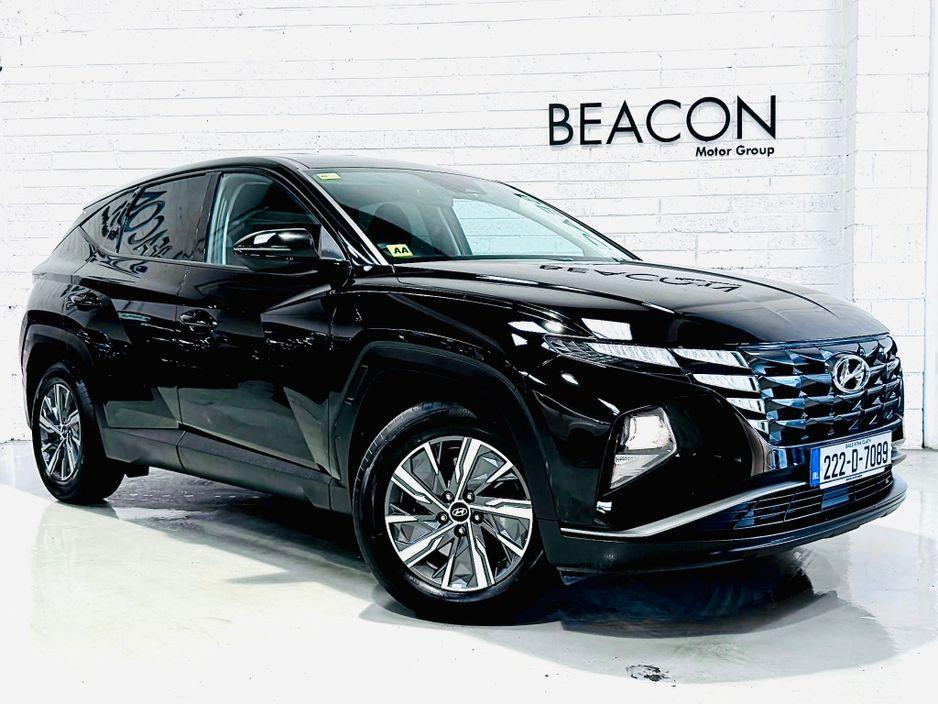
7-seater vehicles are popular choices for families and groups needing extra passenger capacity. However, like all cars, popular 7-seaters have some common problems that buyers and owners should be aware of to ensure long-term satisfaction and reliability. This guide highlights typical issues found in popular 7-seater models and offers advice on how to mitigate them.
Common Problems Across Popular 7-Seater Models
1. Third-Row Seating Comfort and Accessibility
Issue: Many 7-seaters have cramped third-row seats with limited legroom and headroom, making them uncomfortable for adults on long journeys. Access to the third row can also be difficult, especially in models with narrow rear doors or fixed second-row seats.
Advice: Test the third-row seating during purchase and consider models with sliding or folding second-row seats for easier access.
2. Reduced Boot Space with All Seats Up
Issue: When all seven seats are in use, boot space is often significantly reduced, limiting luggage capacity. This can be inconvenient for families traveling with a full load of passengers and baggage.
Advice: Evaluate your typical passenger and cargo needs and consider models with flexible seating configurations or roof racks.
3. Fuel Economy
Issue: Larger 7-seater SUVs and MPVs tend to have higher fuel consumption compared to smaller cars, especially with petrol engines or older diesel models. This can lead to higher running costs.
Advice: Consider hybrid or efficient diesel variants and maintain regular servicing to optimize fuel economy.
4. Suspension and Ride Comfort
Issue: Some 7-seaters, especially those with heavier loads or older suspension designs, may have a stiffer or less comfortable ride, particularly on rough roads.
Advice: Check suspension condition during inspections and consider models with advanced suspension systems or adaptive damping.
5. Electrical and Infotainment Issues
Issue: Modern 7-seaters often come with complex infotainment and electronic systems that can suffer from glitches, screen freezes, or connectivity problems.
Advice: Ensure software updates are performed regularly and test all electronic features before purchase.
6. Reliability of Specific Components
Issue: Certain popular models have known issues with components such as turbochargers, diesel particulate filters (DPF), or automatic transmissions.
Advice: Research model-specific common faults and check service history for repairs or replacements.
7. Maintenance and Repair Costs
Issue: Larger vehicles with complex systems can have higher maintenance and repair costs, especially for premium brands or less common models.
Advice: Factor in warranty coverage, availability of parts, and service costs when choosing a 7-seater.
Model-Specific Common Problems (Examples)
Ford S-Max: Some owners report issues with dual-clutch transmissions and electrical gremlins.
Volkswagen Touran: Diesel models may face DPF clogging and EGR valve problems.
Toyota Prius+ (Hybrid): Battery degradation over time and occasional hybrid system warnings.
Kia Sorento: Early models had some turbocharger and suspension wear issues.
Dacia Jogger: Basic interior materials may wear faster; some reports of infotainment glitches.
Tips to Avoid Common Problems
Always check the full service history and look for regular maintenance.
Have a trusted mechanic perform a pre-purchase inspection.
Opt for certified pre-owned vehicles with warranty coverage.
Stay updated with manufacturer recalls and software updates.
Drive gently and avoid overloading the vehicle beyond recommended limits.
Final Thoughts
While 7-seater vehicles offer great practicality, being aware of common problems helps buyers make informed decisions and maintain their vehicles better. Proper research, regular maintenance, and careful selection can minimize issues and ensure a reliable and comfortable driving experience.
This article is optimized for SEO to help Irish car buyers understand common problems with popular 7-seater vehicles and make informed purchasing decisions.