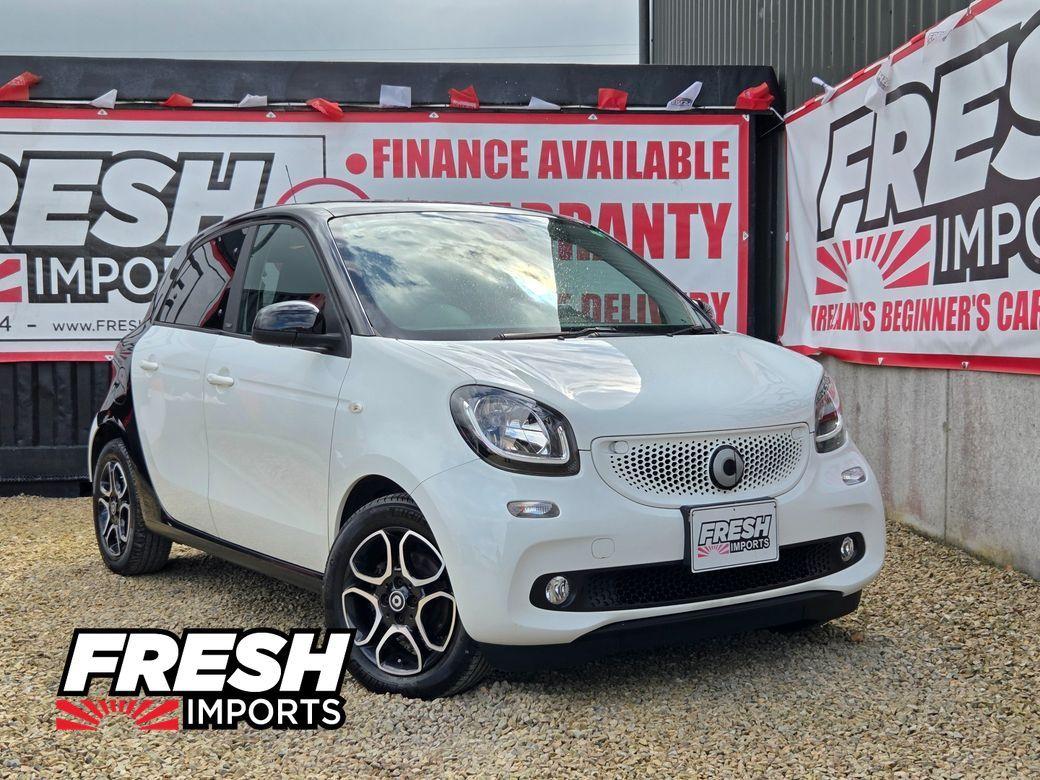
Everything You Need to Know Before Buying a Second-Hand Car
Buying a used car in Ireland can be an excellent way to save money while still getting a reliable vehicle that meets your needs. With thousands of second-hand cars available across the country, buyers can choose from a wide range of makes, models, body types and price points.
However, purchasing a used vehicle requires careful research and preparation. Choosing the wrong car can lead to expensive repairs, high insurance premiums and unexpected ownership costs.
Whether you are a first-time buyer, a student, a commuter or a family looking for an affordable upgrade, understanding how to buy a used car in Ireland can help you secure a better deal and avoid common mistakes.
You can start by browsing the latest used cars for sale in Ireland on Bargaindigger and comparing vehicles offered by private sellers and dealerships.
This guide explains everything you need to know about buying a second-hand car in Ireland, including budgeting, vehicle inspections, paperwork, history checks, test drives and choosing the right model.
Why Buy a Used Car in Ireland?

For many motorists, buying a used car makes more financial sense than purchasing a brand-new vehicle.
The main advantages of buying a second-hand car include:
- Lower purchase prices
- Reduced depreciation
- More choice within your budget
- Better value for money
- Potentially lower insurance premiums
- Access to higher-specification models for less money
- Lower monthly repayments when using finance
New vehicles can lose a significant amount of their value during the first few years of ownership. By purchasing a well-maintained used car, you can avoid the steepest period of depreciation while still benefiting from modern safety systems, infotainment technology and fuel-efficient engines.
Explore the latest cars for sale on Bargaindigger to compare prices before deciding how much to spend.
Set Your Budget Before You Start Searching
One of the most important steps when buying a used car is determining your total budget.
Many buyers focus only on the advertised purchase price and forget about the additional costs associated with owning a vehicle.
Your budget should include:
- Vehicle purchase price
- Insurance
- Motor tax
- Fuel or electricity costs
- Maintenance and servicing
- NCT expenses
- Tyre replacement
- Potential repairs
- Finance interest, where applicable
- Vehicle history checks
- Parking and toll charges
A car that appears inexpensive may become costly if it has a high motor tax rate, expensive insurance premiums or a poor reliability record.
Before making a final decision, calculate the likely total cost of ownership rather than looking only at the asking price.
It is also worth obtaining an insurance quote before agreeing to purchase a vehicle, particularly when buying your first car.
Choose the Right Type of Car

Before browsing listings, think carefully about how you plan to use the vehicle.
A small city car may be perfect for short urban journeys but unsuitable for a large family. Similarly, a diesel estate may offer excellent economy for motorway driving but may not be ideal for frequent short journeys.
Best Used Cars for City Driving
Small hatchbacks are generally easy to park, economical to run and suitable for narrow urban streets.
Popular options include:
- Toyota Yaris for sale
- Hyundai i10 for sale
- Volkswagen Polo for sale
- Kia Picanto for sale
- Skoda Fabia for sale
These models are often popular with first-time buyers, commuters and drivers looking for an economical second car.
Best Used Cars for Commuters
Drivers covering longer distances may benefit from a comfortable and fuel-efficient hatchback, saloon or estate.
Popular commuter cars include:
- Skoda Octavia for sale
- Volkswagen Golf for sale
- Toyota Corolla for sale
- Hyundai i30 for sale
- Ford Focus for sale
When choosing between petrol, diesel, hybrid and electric power, consider your annual mileage and the type of journeys you complete most frequently.
Best Used Family Cars
Families may require a larger vehicle with more rear-seat space, a generous boot and a strong safety specification.
Popular family cars include:
- Skoda Octavia for sale
- Toyota Corolla for sale
- Ford Focus for sale
- Nissan Qashqai for sale
- Volkswagen Tiguan for sale
When inspecting a family vehicle, check that child seats can be installed easily and that the boot is large enough for shopping, luggage or a pushchair.
Best Cars for First-Time Drivers
New drivers should prioritise:
- Affordable insurance
- Proven reliability
- Good fuel economy
- Manageable engine size
- Easy parking
- Affordable replacement parts
- Strong safety equipment
Before buying, obtain insurance quotes for several models. Two similarly priced vehicles can have significantly different insurance costs.
Research Reliability Before Buying

Not all used cars offer the same level of dependability.
Researching a vehicle’s reliability, maintenance requirements and common faults can help you avoid expensive repairs.
Popular models known for dependable ownership often include:
Reliability can still vary according to engine type, transmission, age and maintenance history. Research the specific version of the car rather than relying only on the reputation of the manufacturer.
You can compare vehicles from popular manufacturers through:
- Toyota cars for sale
- Volkswagen cars for sale
- Hyundai cars for sale
- Kia cars for sale
- Skoda cars for sale
Check the Vehicle’s History
A vehicle history check is an essential part of buying any used car.
A history report may reveal important information that is not obvious from the advertisement or during a visual inspection.
You should check for:
- Previous ownership history
- Outstanding finance
- Recorded accident damage
- Mileage discrepancies
- Insurance write-off status
- Import history
- Previous registration numbers
- Changes of ownership
- Recorded use as a taxi or commercial vehicle, where available
Never rely entirely on information provided in the advertisement. Compare the registration details, mileage and vehicle identification number with the available documents.
Spending a relatively small amount on a history check can help prevent a much larger financial loss.
Inspect the Car Carefully
Even when a vehicle looks excellent in photographs, a physical inspection is essential.
View the car during daylight and, where possible, avoid inspecting it during heavy rain. Water and poor lighting can make scratches, paint defects and previous repairs harder to notice.
Exterior Checks
Inspect the following areas:
- Paint condition
- Panel alignment
- Rust or corrosion
- Dents and scratches
- Windscreen chips or cracks
- Headlights and taillights
- Door edges
- Wheel arches
- Alloy wheels
- Underbody condition, where visible
Uneven paintwork, inconsistent panel gaps or mismatched body panels may indicate previous accident repairs.
Check that all doors, the bonnet and the boot open and close correctly.
Interior Checks
Look for:
- Excessive wear on the seats
- Worn steering wheel and pedals
- Dashboard warning lights
- Damaged switches or controls
- Electrical faults
- Signs of water damage
- Damp carpets
- Unusual odours
- Damaged seatbelts
- Faulty air conditioning
The condition of the interior can indicate how carefully the previous owner treated the vehicle.
Wear should also be consistent with the displayed mileage. A heavily worn steering wheel and pedals on a supposedly low-mileage car may require further investigation.
Tyre Checks
Inspect:
- Tread depth
- Sidewall damage
- Uneven wear
- Tyre age
- Matching tyre sizes
- Condition of the spare wheel or repair kit
Uneven tyre wear may indicate problems with wheel alignment, suspension or steering components.
Replacing four tyres immediately after buying a car can add a considerable amount to the total purchase cost.
Review the Service History

A complete service history is one of the strongest indicators that a car has been maintained properly.
Ask the seller for invoices, service records and documentation showing:
- Regular oil and filter changes
- Timing belt replacement
- Brake servicing
- Clutch or gearbox work
- Battery replacement
- Major repairs
- Manufacturer-recommended maintenance
- Hybrid or electric battery inspections, where applicable
Do not rely only on stamps in a service book. Invoices can provide more detailed information about the work completed and the mileage recorded at each service.
A slightly higher-mileage car with a complete service history may be a safer purchase than a lower-mileage vehicle with no maintenance records.
Check the Timing Belt or Timing Chain
Some engines use a timing belt that must be replaced at specific mileage or age intervals.
A failed timing belt can cause severe engine damage.
Ask the seller:
- Whether the timing belt has been replaced
- When the work was completed
- What the recorded mileage was
- Whether the water pump was replaced at the same time
- Whether an invoice is available
Timing chains are often designed to last longer, but they can still develop problems if the engine has not received regular oil changes.
Research the requirements of the specific engine before buying.
Check the NCT Status
The National Car Test is an important consideration when evaluating a used car in Ireland.
Before purchasing, confirm:
- The current NCT expiry date
- Previous test results
- Advisory notices
- Recorded mileage
- Whether the car has previously failed a test
- Whether identified faults were repaired
A recently passed NCT can provide additional confidence, but it does not guarantee that the vehicle is free from mechanical problems.
An NCT is not a substitute for a professional inspection, service history review or test drive.
Be cautious when a car is advertised with a very short NCT or no current test unless the price reflects the additional risk.
Always Take a Test Drive
A test drive is one of the most important stages of buying a used car.
Do not allow the seller to rush the process. Drive the car on different road types where possible, including urban streets, uneven surfaces and higher-speed roads.
During the test drive, pay attention to:
- Engine performance
- Cold starting
- Gear changes
- Clutch operation
- Steering response
- Braking performance
- Suspension noises
- Dashboard warning lights
- Smoke from the exhaust
- Vibrations through the steering wheel
- Unusual engine or transmission noises
The engine should ideally be cold when you arrive. Some mechanical problems are more noticeable during a cold start.
Check that the car drives in a straight line and does not pull noticeably to one side while braking.
For automatic vehicles, make sure the gearbox changes smoothly without excessive hesitation, slipping or harsh movements.
Consider an Independent Mechanical Inspection
When you are unsure about a vehicle’s condition, consider arranging an independent inspection by a qualified mechanic.
A professional inspection may identify:
- Hidden accident damage
- Engine problems
- Oil or coolant leaks
- Suspension wear
- Brake issues
- Clutch problems
- Transmission faults
- Corrosion
- Electrical problems
- Expensive repairs that may be required soon
An inspection is particularly worthwhile when purchasing an expensive, high-performance, imported or premium vehicle.
The inspection cost may also provide additional negotiating power if the mechanic identifies repairs that will be required.
Understand the Paperwork
Before completing the purchase, ensure that all documents are present and accurate.
You should check or receive:
- Vehicle Registration Certificate
- Service records
- NCT information
- Vehicle history report
- Maintenance invoices
- Owner’s manual, where available
- Spare keys
- Warranty documents, where applicable
- Sales receipt or invoice
Verify that the seller’s details are consistent with the available documentation.
The vehicle identification number should match the number displayed on the car and in the registration documents.
When paying for the vehicle, request a written receipt containing:
- Buyer’s name
- Seller’s name
- Vehicle registration number
- Make and model
- Mileage
- Purchase price
- Date of sale
- Signatures of both parties
Keep copies of all documents, messages and payment records.
Dealer or Private Seller: Which Is Better?
Used cars in Ireland are available from both dealerships and private sellers.
Buying From a Dealer
Possible advantages include:
- Greater consumer protection
- Warranty options
- Trade-in opportunities
- Finance availability
- Vehicles may be serviced before sale
- Easier access to several cars in one location
Dealer prices may be higher, but the additional protection and convenience can be worthwhile.
Buying From a Private Seller
Possible advantages include:
- Lower asking prices
- More room for negotiation
- Direct information from the previous owner
- Potential access to detailed maintenance history
However, buyers generally have fewer protections when purchasing privately. It is therefore especially important to complete a vehicle history check and independent inspection.
Negotiate the Price
Many used car asking prices are negotiable.
Before making an offer, research similar vehicles with comparable age, mileage, engine type, specification and condition.
You can use Bargaindigger’s car marketplace to compare asking prices across Ireland.
Factors that may justify a lower offer include:
- Worn tyres
- Cosmetic damage
- Short NCT validity
- Missing service records
- High mileage
- Upcoming timing belt replacement
- Brake or suspension wear
- Warning lights
- Missing spare key
- Required servicing
Keep the negotiation polite and base your offer on genuine evidence.
Do not become emotionally attached to one vehicle. Be prepared to walk away when the seller is unwilling to address significant concerns.
Where to Find Used Cars for Sale in Ireland
Finding a quality used car starts with choosing a marketplace that allows you to compare multiple listings.
Bargaindigger provides a dedicated online marketplace where buyers can browse vehicles offered by private sellers and dealerships throughout Ireland.
Start your search here:
Browse used cars for sale in Ireland
You can also search directly by manufacturer:
- Audi cars for sale
- BMW cars for sale
- Ford cars for sale
- Hyundai cars for sale
- Kia cars for sale
- Nissan cars for sale
- Skoda cars for sale
- Toyota cars for sale
- Volkswagen cars for sale
Use the available search filters to narrow listings by make, model, location and other important criteria.
Common Mistakes to Avoid When Buying a Used Car
Many buyers make avoidable mistakes that can lead to unexpected expenses.
Buying Based on Appearance Alone
A clean exterior and freshly valeted interior do not guarantee good mechanical condition.
Ignoring Insurance Costs
Obtain an insurance quote before purchasing, particularly if you are a young or first-time driver.
Skipping the Test Drive
Never buy a vehicle without driving it unless you fully understand and accept the risks involved.
Not Checking the Vehicle History
A history report may reveal outstanding finance, mileage discrepancies, accident records or previous write-off status.
Failing to Inspect the Car in Daylight
Scratches, mismatched paint and body repairs can be difficult to identify in darkness or heavy rain.
Ignoring Warning Lights
Do not accept explanations that warning lights are caused by a minor sensor without proper diagnosis.
Rushing the Purchase
Take time to compare several vehicles before making a decision.
Paying Before Checking the Documents
Verify the seller, vehicle identity and paperwork before transferring money.
Choosing the Cheapest Car Available
The lowest-priced vehicle may require immediate repairs, tyres, servicing or an NCT.
The best value car is not always the cheapest one.
Why Use Bargaindigger to Find Your Next Car?
Bargaindigger.ie is a growing Irish online marketplace that helps connect vehicle buyers with private sellers and dealerships.
Benefits include:
- Cars listed from across Ireland
- Search options for different makes and models
- Direct contact with sellers
- Mobile-friendly browsing
- Listings for different budgets
- Advertising options for dealerships and private sellers
Whether you are searching for your first car, a family SUV, an economical commuter vehicle or an affordable second car, Bargaindigger can help you compare available options.
Search cars for sale on Bargaindigger today
Frequently Asked Questions
How much should I spend on a used car in Ireland?
Your budget should be based on your financial circumstances and the total cost of ownership. Remember to include insurance, tax, fuel, servicing, tyres and potential repairs.
Do not spend your entire budget on the purchase price. Keep some money available for maintenance after buying the car.
Is mileage important when buying a used car?
Mileage is important, but it should not be considered in isolation.
Service history, condition, driving history and maintenance quality may be more important than mileage alone. A well-maintained higher-mileage motorway car can sometimes be a better purchase than a neglected low-mileage vehicle.
Should I buy from a dealer or a private seller?
Both options have advantages.
Dealers may provide warranties, finance options and greater consumer protection. Private sellers may offer lower prices and more room for negotiation.
Whichever option you choose, inspect the vehicle and check its history before purchasing.
How can I check whether a used car has outstanding finance?
Use a reputable vehicle history check before completing the purchase. Do not rely solely on the seller’s assurance that the vehicle is finance-free.
What are some reliable used cars in Ireland?
Popular choices often include:
The condition and maintenance history of the individual vehicle remain essential.
Is a recent NCT enough to guarantee that a car is in good condition?
No. A valid NCT confirms that the vehicle met the required test standards at the time of inspection, but it does not guarantee perfect mechanical condition.
Always inspect the car, review its service records and consider an independent mechanical assessment.
Should I pay a deposit on a used car?
Only pay a deposit after verifying the vehicle, seller and documentation. Make sure the terms of the deposit are clearly documented, including whether it is refundable.
Avoid transferring money to an unknown seller before seeing the vehicle.
What should I bring when viewing a used car?
Useful items include:
- Driving licence
- Insurance details for the test drive
- Phone or torch
- Tyre tread gauge
- Checklist of inspection points
- Vehicle history report
- Mechanic, where possible
Final Thoughts
Buying a used car in Ireland does not need to be complicated.
By setting a realistic budget, researching dependable models, checking the vehicle’s history, reviewing its service records, conducting a detailed inspection and completing a proper test drive, you can significantly reduce the risk of costly mistakes.
Take your time, compare multiple vehicles and never allow a seller to pressure you into making an immediate decision.
A carefully selected and properly maintained used car can provide years of dependable service while costing considerably less than a new vehicle.
Looking for Your Next Car?
Browse the latest used car listings on Bargaindigger.ie and discover vehicles offered by private sellers and dealerships across Ireland.
Compare makes and models, review prices and find a car that matches your budget and driving requirements.
Start exploring cars for sale on Bargaindigger.ie and find your next bargain today.