Hybrid Cars in Ireland in 2026: Pros, Cons and Are They Worth Buying?
Discover whether a hybrid car is the right choice for your driving needs and browse used hybrid cars for sale in Ireland on Bargaindigger.ie.
Hybrid cars have become increasingly popular among Irish drivers looking for better fuel economy without moving completely to a fully electric vehicle.
By combining a petrol engine with one or more electric motors, a hybrid can reduce fuel consumption during urban and mixed driving. However, not every hybrid works in the same way, and the financial benefits depend heavily on the type of system, your annual mileage and whether a plug-in hybrid is charged regularly.
Before buying, it is important to understand the difference between mild hybrids, full hybrids and plug-in hybrids.
You can browse hybrid cars for sale in Ireland on Bargaindigger.ie and compare available vehicles by make, model, price, transmission and location.
What Is a Hybrid Car?

A hybrid car combines an internal-combustion engine, normally petrol, with an electric motor and battery.
The electric system can assist the engine, recover energy during braking and, depending on the type of hybrid, power the vehicle for short distances without using the petrol engine.
There are three main types of hybrid cars available in Ireland.
Mild Hybrid
A mild hybrid uses a small electric motor to support the petrol or diesel engine.
It may assist during acceleration, operate electrical systems and recover energy when the vehicle slows down. However, most mild hybrids cannot drive meaningful distances using electric power alone.
Mild hybrids do not need to be plugged in because their batteries are charged through regenerative braking and the combustion engine.
Full Hybrid or Self-Charging Hybrid

A full hybrid can use its petrol engine, electric motor or a combination of both.
During slower urban driving, the car may operate for short periods using electric power. The battery is charged automatically through regenerative braking and the petrol engine, so an external charging cable is not required.
Toyota’s current Irish range includes hybrid versions of models such as the Yaris, Corolla and RAV4.
Plug-In Hybrid
A plug-in hybrid, commonly called a PHEV, has a larger battery and can usually travel farther using electric power than a conventional full hybrid.
The battery should be charged from an external power source, such as a home charger or public charging point. When the battery charge is depleted, the petrol engine allows the vehicle to continue travelling.
A plug-in hybrid works best when it is charged regularly. Without regular charging, the driver carries the additional weight and complexity of the battery and electric system while relying heavily on the petrol engine.
Advantages of Hybrid Cars in Ireland

1. Strong Fuel Economy in Urban Driving
Hybrid cars can be particularly efficient in towns and cities.
During stop-and-go traffic, the electric motor can assist the petrol engine, while regenerative braking recovers energy that would otherwise be lost as heat.
This can make a full hybrid attractive to drivers who regularly travel through Dublin, Cork, Galway, Limerick or other busy urban areas.
Fuel savings vary between models and driving conditions. A hybrid will generally provide its greatest advantage during urban and mixed journeys rather than sustained high-speed motorway driving.
You can search for fuel-efficient hybrid cars on Bargaindigger.ie.
2. No Charging Required for Full Hybrids
A conventional full hybrid does not require a home charger.
The battery is charged automatically by the petrol engine and regenerative braking. This can suit drivers who live in apartments, rent their homes or do not have access to off-street parking.
Models such as the Toyota Corolla Hybrid and Toyota Yaris Hybrid allow drivers to benefit from electric assistance without changing their normal refuelling routine.
You can browse Toyota hybrid cars for sale in Ireland.
3. Quiet and Smooth Urban Driving

Hybrid cars can feel quiet and smooth at lower speeds, particularly when the petrol engine switches off and the electric motor moves the vehicle.
Automatic transmissions are also common in hybrid cars, which can make them comfortable in heavy traffic.
The exact driving experience varies between conventional hybrids, plug-in hybrids, mild hybrids and systems such as Nissan e-POWER.
Nissan’s e-POWER system uses a petrol engine to generate electricity, while an electric motor drives the wheels. The system does not need to be connected to an external charger.
4. Reduced Fuel Consumption Without Full EV Ownership
A hybrid can provide a useful middle ground for drivers who want to reduce petrol consumption but are not ready to depend completely on public or home charging.
This can be particularly useful for motorists who:
- Cannot install a home charger
- Regularly complete a mixture of city and motorway journeys
- Travel through areas with limited charging availability
- Want automatic operation and regenerative braking
- Are concerned about the range of a fully electric vehicle
However, a hybrid still uses petrol and continues to produce exhaust emissions.
5. Plug-In Hybrids Can Cover Daily Journeys Electrically

A plug-in hybrid may allow a driver to complete shorter daily journeys using mostly electric power.
This can work well when the vehicle is charged overnight at home and the daily commute is within its practical electric range.
The petrol engine remains available for longer journeys, removing the need to stop and charge during every trip.
BMW currently offers a range of plug-in hybrid vehicles, while Volkswagen offers plug-in hybrid versions of models including the Golf and Tiguan.
6. Lower CO₂ Can Mean Lower Tax on Some Models
Motor tax for most private cars first registered from July 2008 is calculated using their CO₂ emissions.
A lower-emission hybrid may therefore fall into a less expensive motor-tax band than a higher-emission petrol or diesel alternative. However, there is no single special motor-tax rate that applies to every hybrid. The exact annual cost depends on the vehicle’s official CO₂ figure and registration date.
Always confirm the motor-tax rate using the registration number before purchasing.
7. Wide Selection on the Used-Car Market
Irish buyers can now choose from compact hybrid hatchbacks, family saloons, estates, crossovers, SUVs and premium plug-in hybrids.
Popular used options may include:
- Toyota Yaris Hybrid
- Toyota Corolla Hybrid
- Toyota C-HR Hybrid
- Toyota RAV4 Hybrid
- Honda Jazz Hybrid
- Honda Civic e:HEV
- Hyundai Ioniq Hybrid
- Hyundai Tucson Hybrid
- Kia Niro Hybrid
- Nissan Qashqai e-POWER
- BMW 330e
- Volkswagen Golf GTE
- Audi plug-in hybrid models
Availability depends on current advertisements, location and price range.
Disadvantages of Hybrid Cars in Ireland
1. Higher Purchase Price
Hybrid cars can cost more to purchase than comparable petrol vehicles.
The additional cost reflects the electric motor, battery, power electronics and specialised transmission. On the used market, the price difference may be smaller, but buyers should still calculate whether expected fuel savings justify the purchase price.
A driver covering relatively little mileage may take many years to recover a large price difference through fuel savings.
You can compare hybrid and petrol cars on Bargaindigger.ie before deciding which powertrain provides better overall value.
2. No General Purchase Grant for Hybrid Cars
One of the most important corrections for Irish buyers is that conventional hybrids and plug-in hybrids do not currently receive the main purchase grant available for qualifying new battery-electric cars.
The SEAI private-car grant provides up to €3,500 for qualifying new battery-electric vehicles. The purchase grant for plug-in hybrid cars was removed from the beginning of 2022.
Revenue’s previous VRT relief for hybrid and plug-in hybrid vehicles also expired on 31 December 2020. The VRT relief available in 2026 applies to qualifying fully electric vehicles rather than conventional hybrids or PHEVs.
A hybrid may still have a lower VRT or motor-tax cost because of its CO₂ rating, but buyers should not assume that it automatically qualifies for a direct government grant.
3. Plug-In Hybrids Must Be Charged Regularly
A plug-in hybrid provides its strongest financial and environmental benefits when its battery is charged frequently.
When it is not charged, the petrol engine must move a vehicle carrying a relatively heavy battery and electric powertrain. Fuel consumption can then be considerably less attractive than the official figure suggests.
Before buying a PHEV, consider:
- Whether you can charge at home
- The cost of your electricity tariff
- Your typical daily distance
- The vehicle’s realistic electric range
- How often you complete long motorway journeys
- Whether the charging cable is included
A PHEV should not be purchased solely because its official fuel-consumption figure appears unusually low.
4. Limited Electric Range in Full Hybrids
A conventional full hybrid can drive using electric power, but usually only for short periods and at lower speeds.
It should not be confused with a plug-in hybrid or fully electric vehicle.
The main purpose of its electric system is to assist the petrol engine and improve overall efficiency rather than provide long-distance electric driving.
Drivers who want to complete most journeys without using petrol should compare plug-in hybrids with fully electric cars for sale in Ireland.
5. Battery Condition Matters on Older Cars
Hybrid batteries are designed to last for many years, but their condition can deteriorate with age, mileage, temperature and previous use.
A weakened battery may reduce fuel efficiency or cause warning messages. Complete battery replacement can be expensive, although some faults may be repairable without replacing the entire battery pack.
When inspecting a used hybrid:
- Check for hybrid-system warning lights
- Ask for the complete service history
- Request any available battery-health report
- Check the remaining manufacturer warranty
- Confirm whether the battery has previously been repaired
- Arrange an inspection by a mechanic familiar with hybrids
Some manufacturers and dealer programmes offer hybrid health checks, but the conditions and warranty coverage differ between brands and vehicles.
6. More Complex Technology
A hybrid contains a petrol engine as well as electric motors, a high-voltage battery, power-control electronics and a specialised transmission.
Routine maintenance can still be straightforward, but diagnosis and repair of the hybrid system may require specialist equipment and trained technicians.
Before buying, check whether suitable servicing and repair facilities are available in your area.
7. Boot Space Can Be Reduced
In some hybrid models, the battery is installed under the boot floor or rear seat.
This can reduce luggage capacity compared with a petrol or diesel version of the same vehicle. The difference varies significantly between manufacturers and generations.
Families should inspect the boot in person and check whether it can carry pushchairs, sports equipment, luggage or other regularly transported items.
8. Towing Capacity May Be Limited
Some hybrids can tow substantial loads, while others have a relatively low towing limit or are not approved for towing.
Never assume that an SUV body style guarantees a high towing capacity.
Check the exact maximum braked and unbraked towing figures for the specific engine, model year and drivetrain.
Popular Hybrid Car Brands in Ireland
Toyota Hybrid Cars
Toyota offers one of the broadest selections of full-hybrid vehicles in Ireland.
Popular models include the Toyota Yaris, Corolla, C-HR and RAV4. Plug-in hybrid versions are also available on selected models. Toyota’s 2026 Irish model range lists hybrid versions of the Yaris and Corolla family.
You can browse Toyota hybrid cars on Bargaindigger.ie.
Nissan Hybrid Cars
Nissan offers mild-hybrid and e-POWER vehicles.
The Nissan Qashqai is currently available in Ireland with either e-POWER or mild-hybrid technology. Nissan e-POWER differs from many conventional hybrids because the electric motor drives the wheels while the petrol engine generates electricity.
You can search for Nissan hybrid cars in Ireland.
BMW Hybrid Cars
BMW offers plug-in hybrid saloons and SUVs.
Used examples may include the BMW 330e, 530e, X1, X3 and X5 plug-in hybrids, depending on model year and current availability.
BMW advises that plug-in hybrids should be charged regularly to make effective use of their electric driving capability.
You can find BMW hybrid cars on Bargaindigger.ie.
Volkswagen Hybrid Cars
Volkswagen offers mild-hybrid and plug-in hybrid vehicles.
Current plug-in hybrid choices include models from the Golf, Tiguan and Tayron ranges, while used buyers may also find Golf GTE and Passat GTE models.
You can browse Volkswagen hybrid cars for sale.
Audi Hybrid Cars
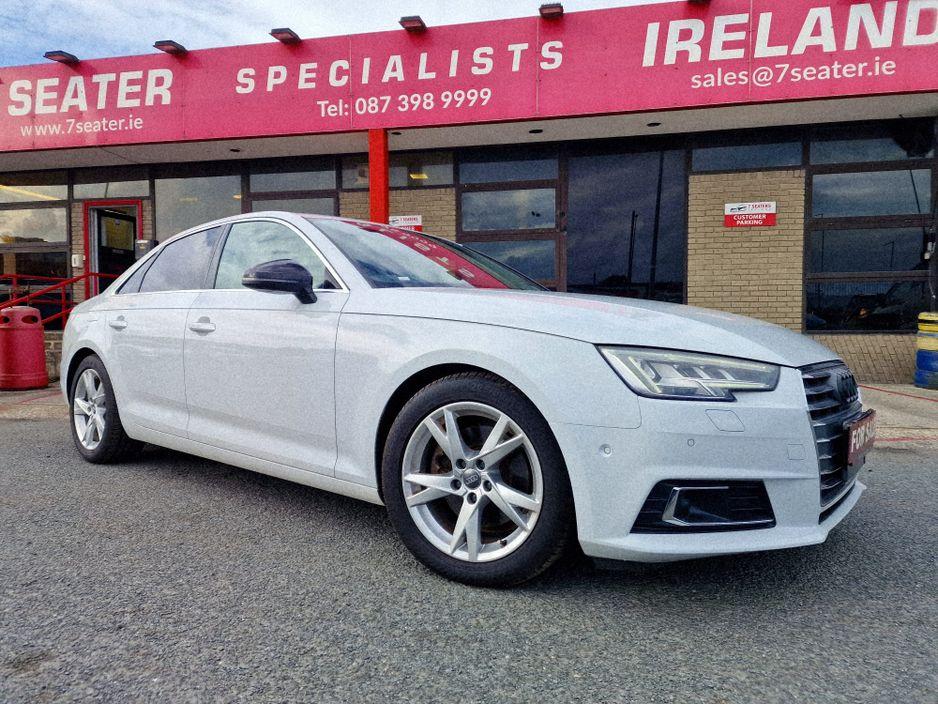
Audi’s used hybrid selection mainly includes mild-hybrid and plug-in hybrid versions of premium saloons, estates and SUVs.
Buyers may find hybrid versions of models such as the Audi A3, A6, Q5, Q7 and Q8, depending on the year and specification.
You can search for Audi hybrid cars on Bargaindigger.ie.
Hyundai Hybrid Cars
Hyundai offers conventional hybrids and plug-in hybrids across several models.
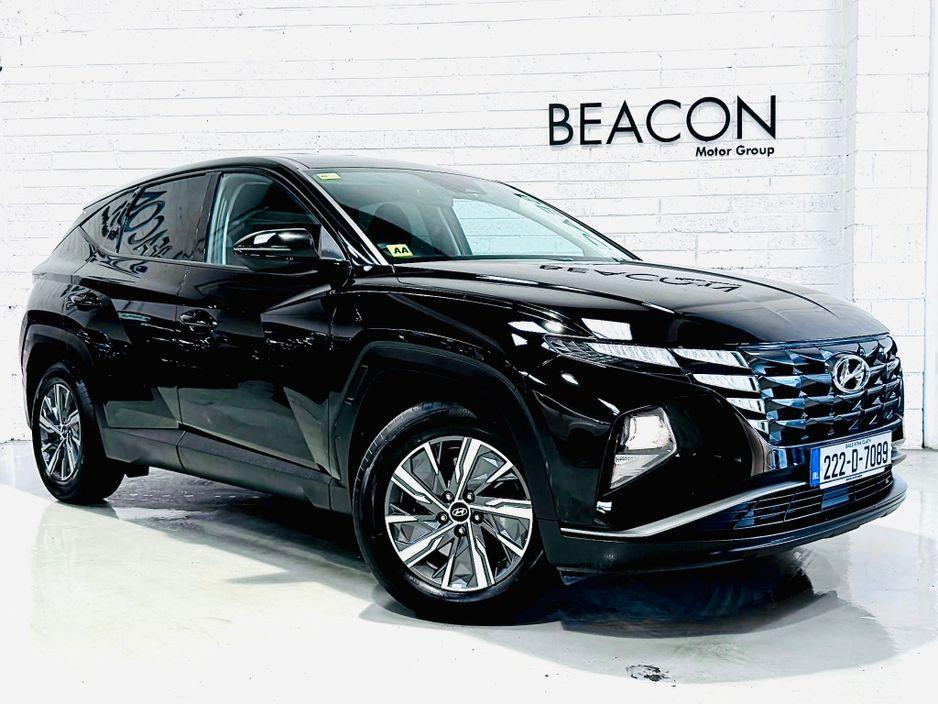
Popular used options can include the Hyundai Ioniq Hybrid, Kona Hybrid, Tucson Hybrid and Santa Fe Hybrid.
You can find Hyundai hybrid cars for sale in Ireland.
Kia Hybrid Cars
Kia’s hybrid range includes compact crossovers and family SUVs.
Common used searches include the Kia Niro Hybrid, Sportage Hybrid and Sorento Hybrid.
You can browse Kia hybrid vehicles on Bargaindigger.ie.
How to Choose the Right Hybrid
Consider Your Typical Journeys
A full hybrid can work particularly well for mixed and urban driving.
A plug-in hybrid can be effective when most daily journeys fit within its electric range and the battery is charged regularly.
For continuous high-speed motorway driving, compare the real-world economy of hybrid, petrol and diesel versions before deciding.
Check Whether You Can Charge at Home
Home charging is not required for a mild hybrid or conventional full hybrid.
It is highly beneficial for a plug-in hybrid. Relying entirely on expensive or inconvenient public charging may reduce the advantages of a PHEV.
Calculate the Complete Cost
Compare:
- Purchase price
- Fuel or electricity costs
- Motor tax
- Insurance
- Servicing
- Battery warranty
- Depreciation
- Expected annual mileage
Do not base your decision only on the official fuel-consumption figure.
Check the Service and Battery History
Ask for invoices and service records.
A seller should be able to explain whether the hybrid system has received any repairs, whether warning lights have appeared and whether a battery-health test is available.
Arrange an Independent Inspection
A standard mechanical inspection remains important because a hybrid still has tyres, brakes, steering, suspension and a petrol engine.
Ideally, the inspection should also include a diagnostic scan of the hybrid powertrain and battery system.
Hybrid Versus Petrol
A petrol car may cost less to purchase and can be suitable for low annual mileage.
A hybrid may use less fuel in town and provide smoother automatic driving, but its higher purchase price must be considered.
You can compare petrol cars for sale in Ireland.
Hybrid Versus Diesel
A hybrid can be more suitable for urban and mixed driving.
Diesel may remain attractive for drivers covering high annual mileage on motorways, towing regularly or carrying heavy loads.
Drivers completing repeated short journeys may find a hybrid easier to own than a modern diesel with a diesel particulate filter.
You can browse diesel cars on Bargaindigger.ie.
Hybrid Versus Electric
A fully electric car produces no exhaust emissions and can offer low energy costs when charged at home.
A hybrid does not require complete dependence on charging infrastructure but still consumes petrol.
Qualifying new battery-electric passenger cars can receive an SEAI grant of up to €3,500 in 2026, while conventional hybrids and PHEVs do not qualify for that purchase grant.
You can explore electric cars for sale in Ireland.
Frequently Asked Questions
Are hybrid cars worth buying in Ireland in 2026?
A hybrid can be worthwhile for drivers completing regular urban and mixed journeys.
The best choice depends on the purchase price, annual mileage, fuel consumption and whether a plug-in hybrid can be charged regularly.
Do hybrid cars need to be charged?
Mild hybrids and conventional full hybrids do not need external charging.
Plug-in hybrids should be connected to a charger regularly to use their electric range effectively.
Do hybrid cars receive government grants?
Conventional hybrids and plug-in hybrids do not receive the main SEAI purchase grant available for qualifying new battery-electric cars.
The previous PHEV purchase grant was removed from 1 January 2022, and hybrid and PHEV VRT relief expired at the end of 2020.
Are hybrid batteries expensive to replace?
A complete replacement battery can be expensive, but costs vary significantly by model.
Before buying, check the battery condition, warranty coverage and availability of specialist repairs.
Are hybrids good for motorway driving?
A hybrid can operate comfortably on motorways, but its fuel-saving advantage may be smaller than during urban driving.
Drivers completing very high motorway mileage should compare hybrid, diesel and efficient petrol models.
Can a hybrid drive using electricity only?
A full hybrid can usually travel electrically for short periods.
A plug-in hybrid can provide a longer electric-only range when fully charged. Mild hybrids normally cannot provide meaningful electric-only driving.
Are used hybrids reliable?
Many used hybrids can provide dependable service when properly maintained.
Reliability depends on the model, age, mileage, battery condition and maintenance history. An independent inspection remains essential.
Find Hybrid Cars for Sale on Bargaindigger.ie
Hybrid cars can provide a practical balance between petrol and electric driving.
Full hybrids are particularly convenient for motorists who want better urban fuel economy without installing a charger. Plug-in hybrids can cover many shorter journeys electrically but need regular charging to deliver their full benefits.
The disadvantages include higher purchase prices, additional technology and the potential cost of battery or hybrid-system repairs. Buyers should also remember that hybrids and plug-in hybrids do not currently qualify for the main Irish purchase grants available to fully electric cars.
Use Bargaindigger.ie to compare hybrid vehicles by make, model, price, transmission and location. Check the service and battery history, calculate the complete ownership cost and arrange an independent inspection before purchasing.
Start searching for hybrid cars for sale in Ireland on Bargaindigger.ie.
You can also browse all used cars for sale, compare petrol cars or explore fully electric vehicles.