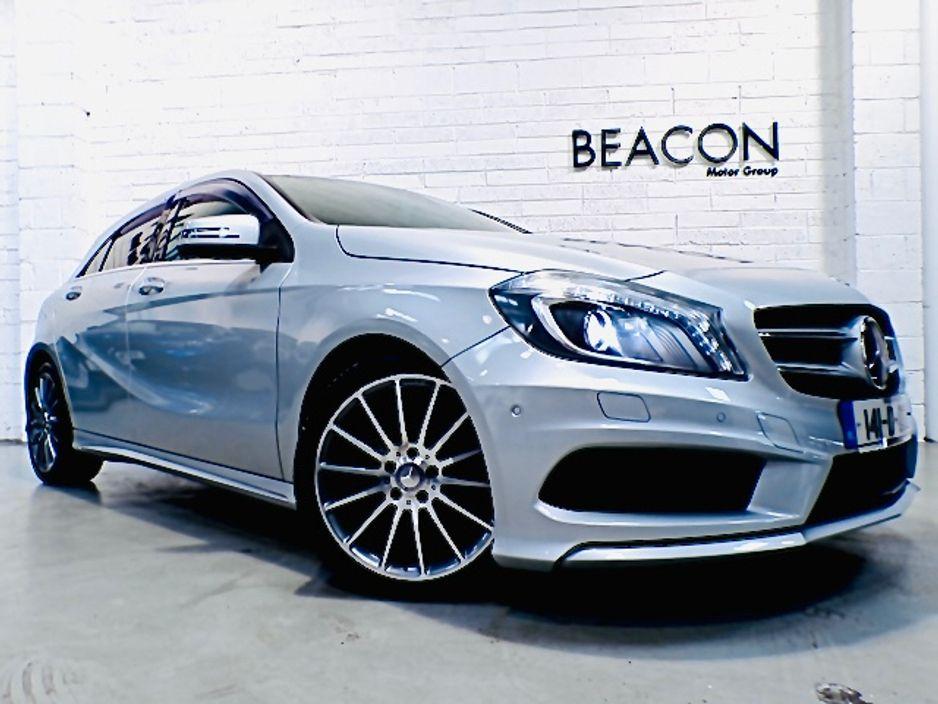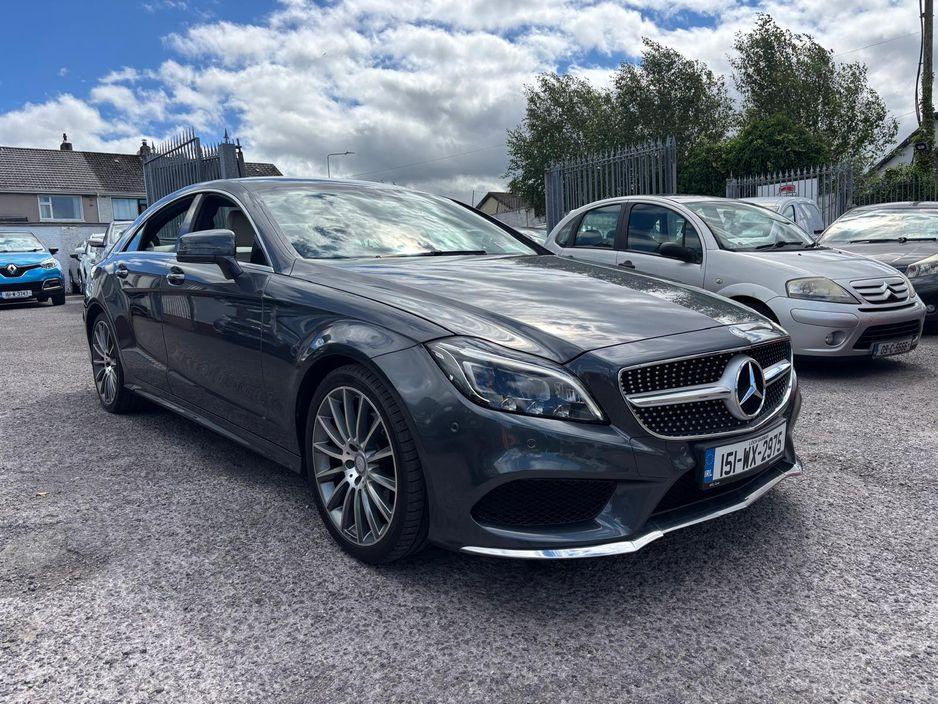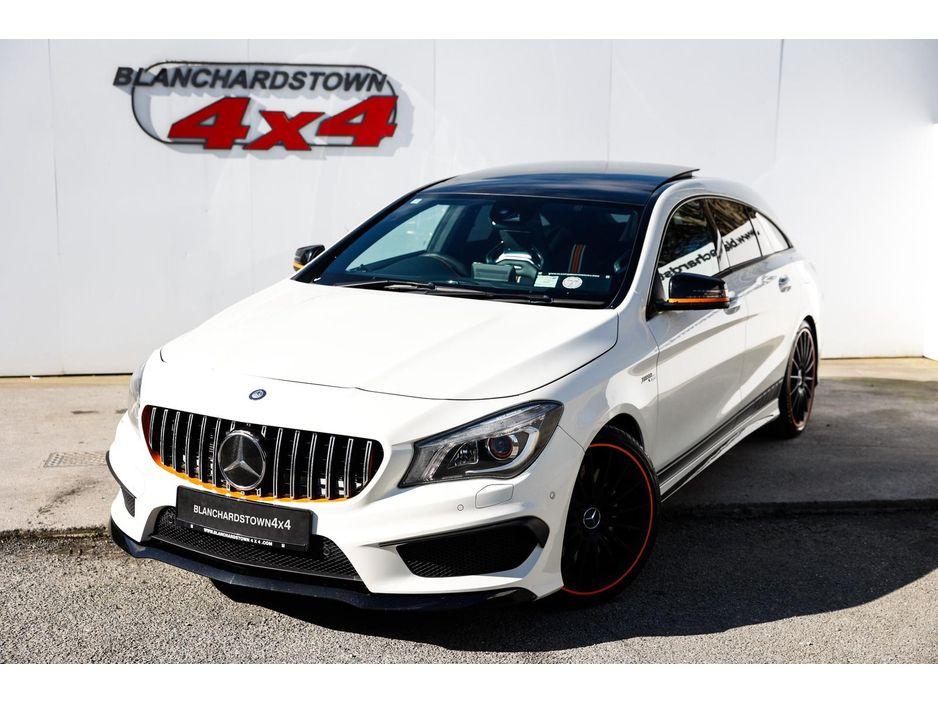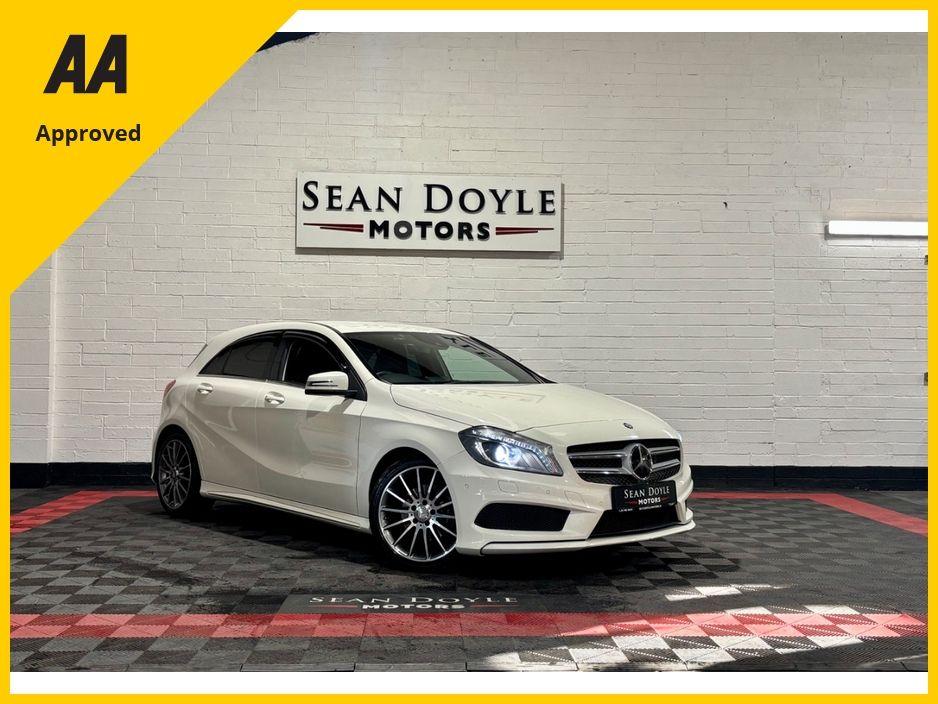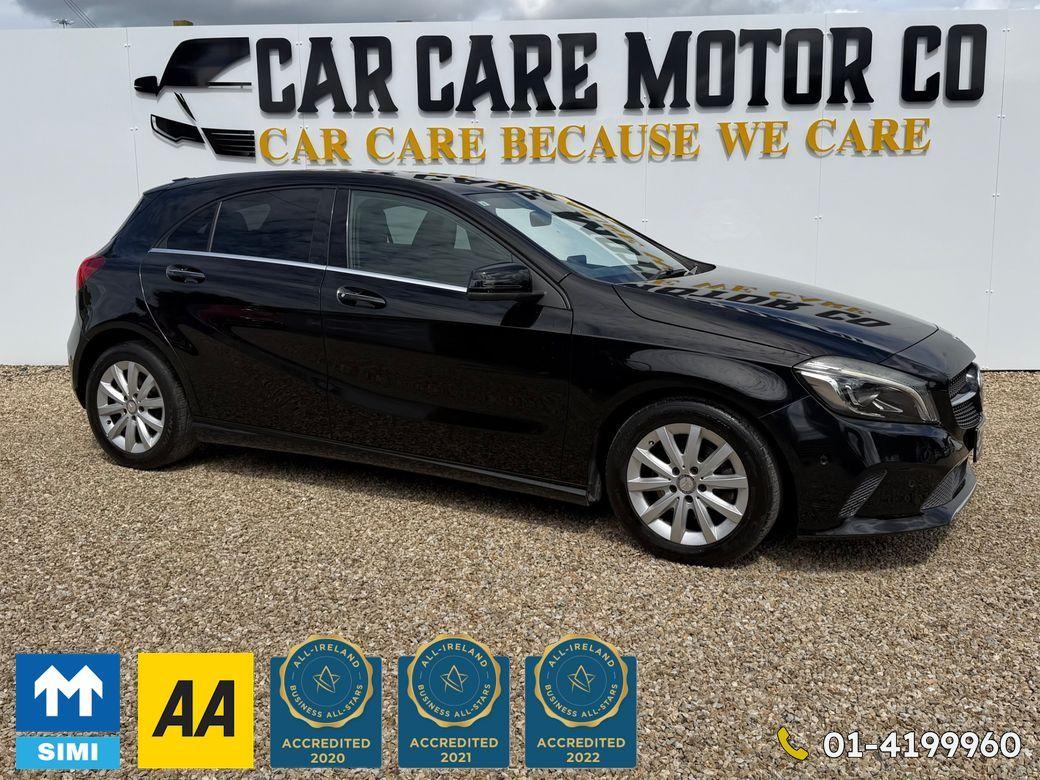
Choosing between a diesel or petrol Mercedes-Benz C-Class is one of the most important decisions for prospective buyers. Both engine types offer distinct advantages and disadvantages, and the right choice depends on driving habits, annual mileage, budget, and long-term ownership expectations. Understanding these differences helps ensure you select the version that best fits your lifestyle.
Diesel-powered Mercedes-Benz C-Class models are especially popular among drivers who regularly cover long distances. One of their main strengths is fuel efficiency. Models such as the C220d can deliver excellent real-world consumption figures, typically achieving between 45 and 55 MPG under mixed driving conditions. This makes diesel variants particularly appealing for motorway commuters and high-mileage drivers who want to reduce fuel costs over time.
Another key advantage of diesel engines is their strong low-end torque. This results in smooth acceleration, effortless overtaking, and strong pulling power, which is useful when carrying passengers, transporting heavier loads, or towing. Modern diesel engines also produce relatively low CO₂ emissions, which can positively influence road tax rates depending on emissions classification and registration details. In Ireland, diesel models have traditionally held strong resale value due to their efficiency and demand among long-distance drivers.
However, diesel ownership also comes with drawbacks. Vehicles used mainly for short urban trips may experience issues with the Diesel Particulate Filter (DPF), which can clog if the engine does not regularly reach optimal operating temperature for regeneration. Diesel models also tend to have a higher initial purchase price than comparable petrol versions and may involve additional maintenance costs related to emissions-control systems. Fuel prices can also fluctuate, which may affect overall running costs.
Petrol-powered Mercedes-Benz C-Class models offer a different balance of benefits. They typically have a lower purchase price, making them more accessible for buyers who want to reduce upfront costs. Petrol engines are particularly well suited to city driving and shorter journeys, as they do not suffer from DPF-related issues associated with diesel engines. They also tend to be quieter and smoother in stop-start urban traffic.
Maintenance costs for petrol models can often be lower because their emissions systems are generally less complex. Drivers who prefer a more responsive and engaging driving experience may also favour petrol engines, particularly higher-output versions such as the C300. Petrol engines tend to rev more freely and deliver a sportier character that appeals to many drivers.
The main disadvantage of petrol engines is fuel economy. Compared with diesel equivalents, petrol models typically consume more fuel, especially on long motorway journeys. Real-world fuel consumption often ranges between 25 and 35 MPG depending on the model and driving conditions. Petrol engines may also produce higher CO₂ emissions, which can impact road tax costs depending on emissions ratings. In addition, they generally produce less low-end torque, making them less ideal for towing or carrying heavier loads.
For Irish buyers, several additional considerations are important. Road tax rates vary depending on emissions and registration details, so it is essential to check the specific classification of any vehicle being considered. Fuel price fluctuations can also influence long-term running costs, making it important to compare both fuel types based on current market conditions. Environmental regulations across Europe continue to evolve, and future restrictions in some urban areas may affect diesel vehicles. Resale values should also be considered, as market demand can shift over time.
Ultimately, the best choice depends on intended usage. Drivers who regularly travel long distances and prioritise fuel economy may find a diesel model such as the C220d to be the most cost-effective option. Those who mainly drive in urban environments, undertake shorter trips, or prefer simpler maintenance requirements may find a petrol model such as the C200 or C300 more suitable.
Buyers who wish to compare available Mercedes-Benz C-Class models can browse current listings on Bargaindigger.ie:
https://bargaindigger.ie/auction/search?make=Mercedes
For additional information about Mercedes-Benz vehicles and specifications, visit:
Choosing between diesel and petrol is ultimately about balancing efficiency, performance, running costs, and driving habits. By carefully assessing your mileage, typical journeys, and budget, you can select the Mercedes-Benz C-Class that delivers the best overall value and ownership experience.
This article is optimized for SEO to help Irish buyers decide between diesel and petrol Mercedes-Benz C-Class models and make informed purchasing decisions.