
Buying a used Ford Puma in Ireland? Discover the best engines, reliability, common problems, fuel economy, maintenance costs and what to check before buying.
The Ford Puma has become one of the most popular compact SUVs on the European used-car market. Combining sharp handling, efficient petrol engines, practical boot space and attractive styling, it offers an interesting alternative to models such as the Nissan Juke, Volkswagen T-Roc, Toyota Yaris Cross, Peugeot 2008 and Renault Captur.
For Irish buyers, a used Ford Puma can make a lot of sense. However, choosing the correct engine, checking the service history and understanding potential maintenance costs are essential before making a purchase.
If you are currently comparing used vehicles, start with Car Search on Bargaindigger or browse Ford cars for sale on Bargaindigger.
Ford Puma Overview

The modern Ford Puma was introduced as a compact crossover positioned above the Fiesta. Unlike the original Puma coupé from the late 1990s and early 2000s, the current model is a practical five-door crossover designed primarily for urban driving, commuting and small-family use.
One of the Puma’s strongest qualities is the way it drives. While many compact SUVs prioritise comfort and practicality, the Puma retains much of the agile character traditionally associated with smaller Ford models.
The range is dominated by the 1.0-litre EcoBoost petrol engine, including mild-hybrid versions, while automatic models are also available. Performance-focused buyers can consider the Ford Puma ST.
Buyers searching for a specific example can check used Ford Puma listings on Bargaindigger.
Ford Puma Engine Options
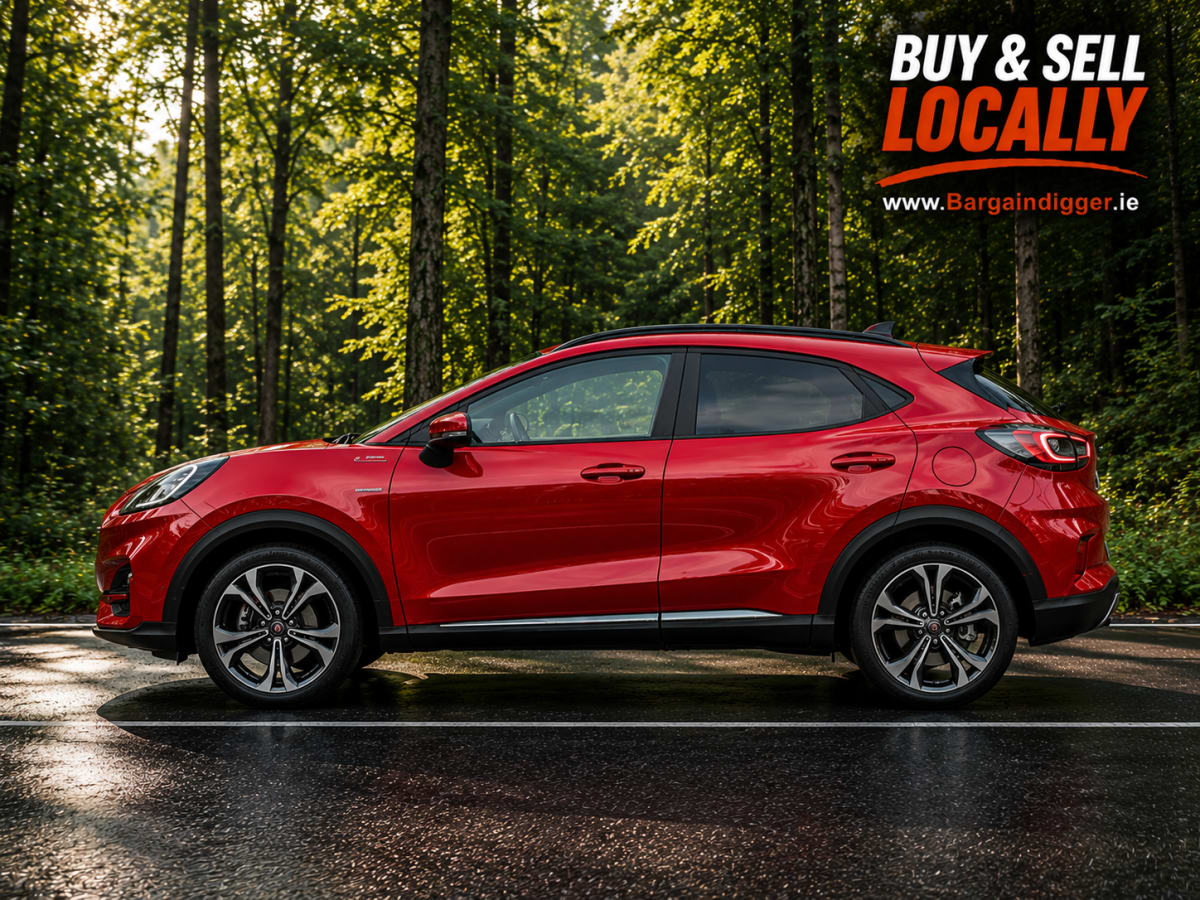
1.0 EcoBoost Petrol
The 1.0-litre three-cylinder EcoBoost is the engine most buyers will encounter on the used market.
Depending on model year and specification, the Puma has been available with different power outputs and mild-hybrid assistance. For most buyers, the lower and mid-range power versions offer the best balance between performance, fuel consumption and everyday running costs.
The engine is well suited to urban driving and commuting, while still providing enough performance for motorway journeys. Buyers should pay particular attention to maintenance history, correct oil specification and regular servicing.
A cheaper Puma with incomplete service history can easily become more expensive in the long term than a slightly higher-priced car with comprehensive maintenance records.
1.0 EcoBoost Mild Hybrid
The mild-hybrid Puma is particularly well suited to mixed driving.
The system does not provide significant electric-only driving like a full hybrid. Instead, it supports the petrol engine, assists acceleration and recovers energy during braking.
For a typical Irish buyer, the 125 PS mild-hybrid version is arguably the sweet spot of the range. It provides enough performance for everyday driving without the higher running costs associated with the performance-focused Puma ST.
The mild-hybrid version is a particularly attractive option for drivers who combine city driving with longer motorway journeys.
Ford Puma ST 1.5 EcoBoost
The original Ford Puma ST is a completely different proposition.
Its 1.5-litre turbocharged three-cylinder petrol engine delivers much stronger performance and turns the Puma into a genuine small performance SUV.
The 1.5 ST is entertaining to drive, but potential buyers should budget for higher fuel consumption, more expensive tyres and brakes, and potentially higher insurance costs.
For most buyers, the regular 1.0 EcoBoost Hybrid is the more sensible used purchase. The Puma ST is better suited to enthusiasts who actively want the extra performance.
Manual or Automatic Ford Puma?
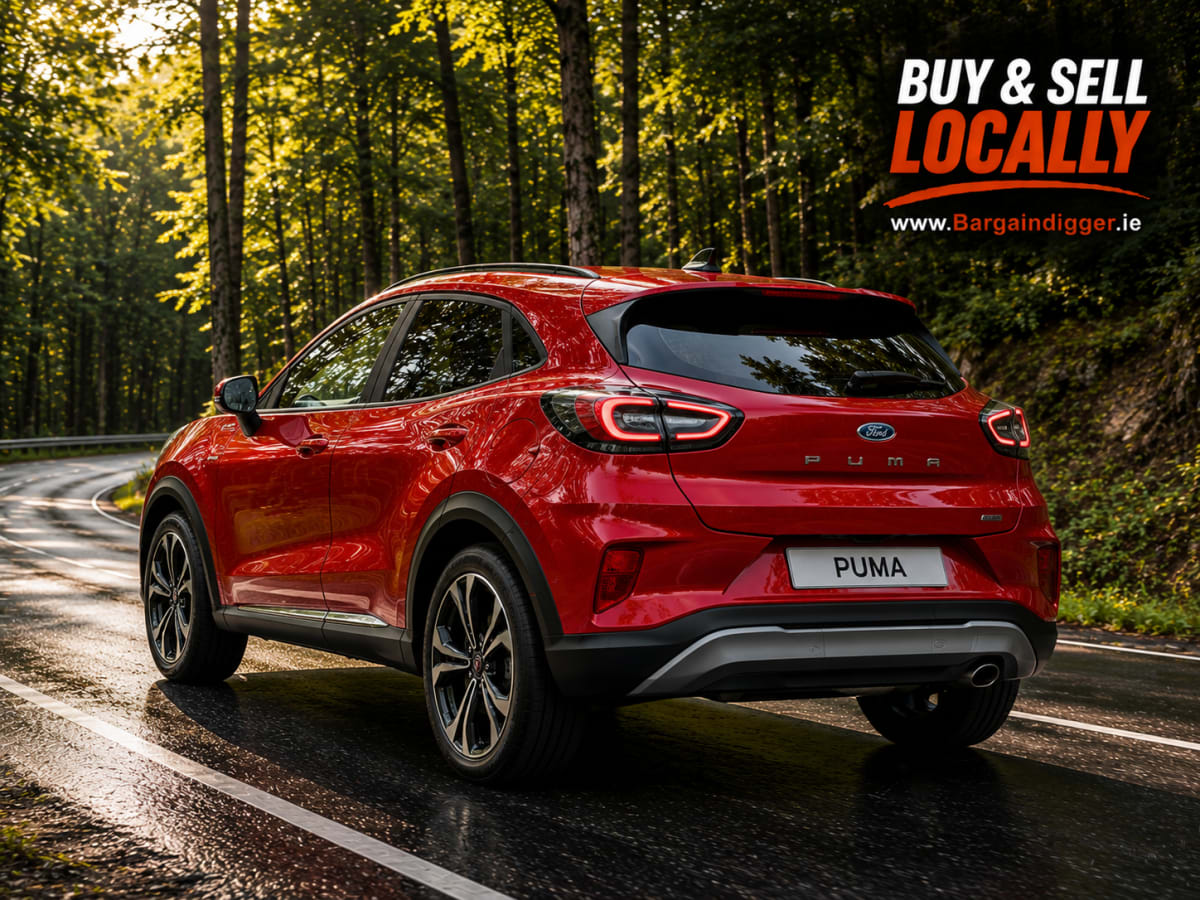
The Ford Puma is available with both manual and automatic transmissions.
The manual version is usually the simplest choice for a budget-conscious used buyer. It is engaging to drive and suits the character of the Puma.
Automatic versions are particularly attractive for buyers who spend significant time in Galway, Dublin, Cork, Limerick or other areas with heavy stop-start traffic.
When test-driving an automatic Ford Puma, check that:
- the car moves away smoothly;
- there is no excessive hesitation when selecting Drive or Reverse;
- low-speed gear changes are consistent;
- there are no gearbox warning messages;
- acceleration is smooth;
- the service history is complete.
If you specifically want an automatic car, browse automatic cars on Bargaindigger.
Is the Ford Puma Reliable?
The Ford Puma has many strengths, but it should not be purchased purely on the assumption that every example will be trouble-free.
As with many modern turbocharged cars, reliability depends heavily on servicing, driving history and previous ownership.
The most important factor when buying a used Puma is evidence of correct maintenance.
A well-maintained car with a complete service history is generally a better purchase than a cheaper example with missing invoices, long gaps between services or unclear previous ownership.
Low mileage should not automatically be considered better. A slightly higher-mileage Puma that has been regularly serviced and used for longer journeys may be a better purchase than a low-mileage car used almost exclusively for short urban trips.
Common Ford Puma Problems to Check
1. Engine Oil and Service History
The 1.0 EcoBoost engine family requires correct maintenance.
Before buying, check the service records carefully and confirm that servicing has been completed according to the recommended schedule.
Do not rely only on a stamped service book. Invoices showing dates, mileage and work completed provide a much clearer ownership history.
A poorly maintained modern turbocharged engine can become expensive very quickly.
2. 12-Volt Battery and Electrical Issues
Modern cars contain numerous electronic systems, and the Ford Puma is no exception.
During inspection, check:
- infotainment operation;
- Bluetooth connection;
- reversing camera;
- parking sensors;
- digital instrument display;
- keyless functions;
- start-stop operation;
- dashboard warning lights;
- USB charging ports;
- air conditioning.
A weak battery can sometimes cause multiple warning messages, but persistent faults require proper diagnosis.
3. Suspension Noise
Drive the car over rough surfaces at low speed and listen for knocking or rattling from the suspension.
Irish roads can be demanding on suspension components, particularly on cars fitted with larger alloy wheels and low-profile tyres.
Check the tyres for uneven wear, as this may indicate poor wheel alignment, worn suspension components or previous accident damage.
4. Clutch Condition
On manual cars, test the clutch carefully.
A high biting point, slipping under acceleration or vibration when moving away may indicate clutch wear.
Cars used primarily for short urban journeys may experience greater clutch wear than motorway-driven examples with higher mileage.
5. Alloy Wheels and Tyres
ST-Line versions are popular because of their sporty appearance, but larger wheels can mean more expensive tyre replacement.
Check every wheel for:
- kerb damage;
- cracks;
- poor repairs;
- mismatched tyres;
- uneven tread wear.
A Ford Puma that appears attractively priced can become less of a bargain if it immediately requires four quality tyres.
Ford Puma Running Costs in Ireland
The Ford Puma can be relatively economical to run, particularly in 1.0 EcoBoost mild-hybrid form.
Real-world fuel economy depends on driving style, traffic conditions, journey length and weather. Urban driving, frequent short trips and aggressive acceleration will increase fuel consumption.
Typical ownership costs include:
- regular servicing;
- engine oil and filters;
- tyres;
- brake pads and discs;
- insurance;
- annual motor tax;
- NCT testing on eligible cars;
- battery replacement;
- unexpected mechanical or electrical repairs.
For buyers focused on low running costs, the standard 1.0 mild-hybrid version on sensible wheel sizes is likely to be the most economical choice.
Practicality and Boot Space
One of the Ford Puma’s most distinctive practical features is its deep underfloor storage area, commonly known as the MegaBox.
This makes the Puma surprisingly useful for carrying taller, wet or dirty items. The compartment is easier to clean than a conventional carpeted boot area and adds useful flexibility.
The main boot is competitive for the compact SUV class, making the Puma suitable for shopping, luggage, sports equipment and everyday family use.
Rear passenger space is adequate rather than class-leading, so families carrying tall teenagers or adults regularly should test the rear seats before buying.
Ford Puma Interior and Technology
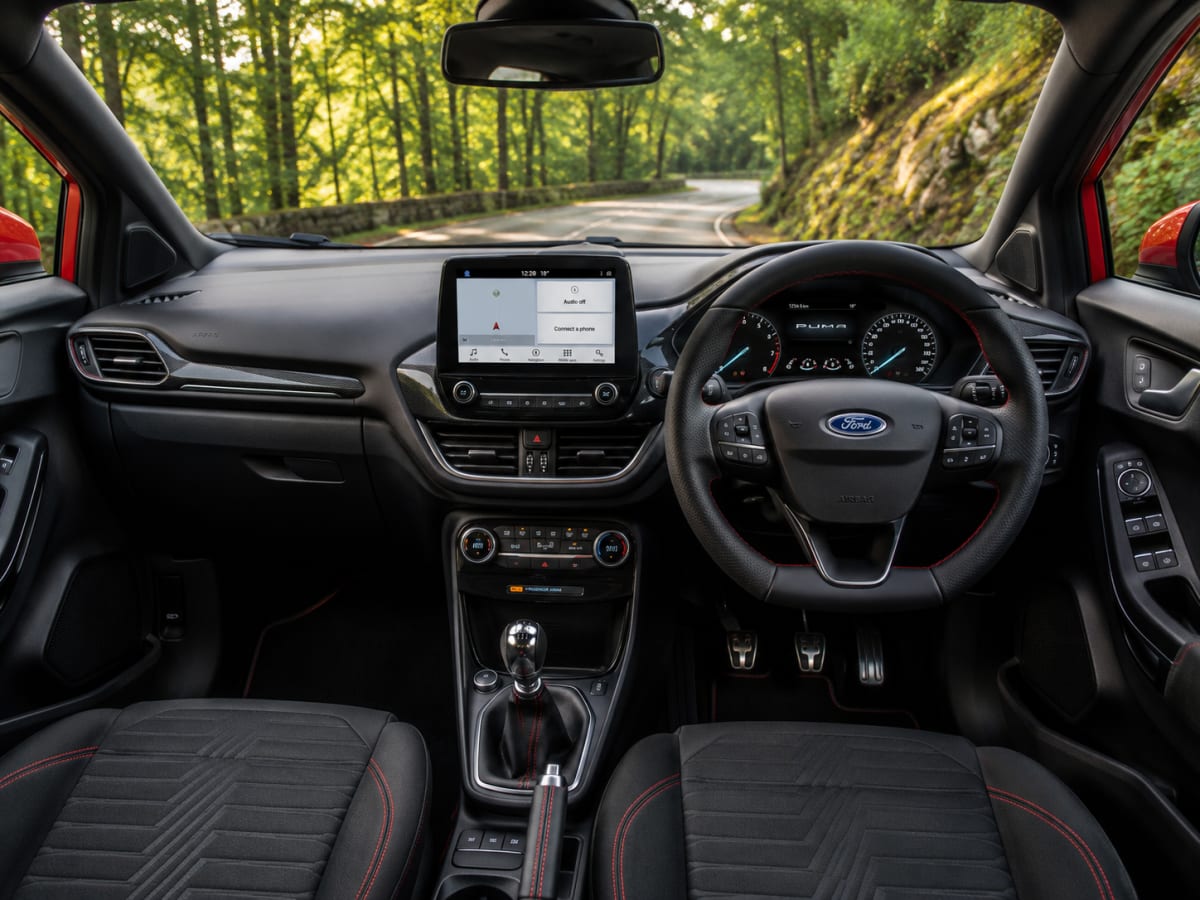
The Puma’s interior is designed around practicality and ease of use.
Depending on specification and model year, equipment may include:
- digital instrument display;
- touchscreen infotainment;
- Apple CarPlay;
- Android Auto;
- satellite navigation;
- heated seats;
- heated steering wheel;
- reversing camera;
- parking sensors;
- driver assistance systems.
When buying used, test every feature rather than assuming that all equipment works correctly.
Electronic faults can be difficult to identify from photographs in an online advertisement, which is why a proper inspection and test drive remain essential.
Which Ford Puma Trim Should You Buy?
Titanium
Titanium is a sensible choice for buyers who prioritise comfort and value.
It generally offers enough equipment for daily driving without the potentially higher tyre costs associated with sportier specifications.
For buyers looking for a practical commuter car or family crossover, Titanium can offer excellent value on the used market.
ST-Line
ST-Line is likely to be the most attractive option for many used buyers.
It offers sportier styling and a more dynamic appearance without the ownership costs of the full Puma ST model.
ST-Line cars are popular on the used market, which can make them easier to sell again in the future.
ST-Line X
ST-Line X adds more equipment and a more premium specification.
It can be a good used purchase if the price difference over a regular ST-Line is reasonable, but buyers should consider whether the additional equipment genuinely matters to them.
Puma ST
The Puma ST is the enthusiast’s choice.
Buy it for performance and driving enjoyment rather than minimum running costs.
Before buying, inspect the tyres, brakes and service history particularly carefully, as performance cars may have been driven harder than standard versions.
How Much Should You Budget for Maintenance?
Exact maintenance costs depend on the car’s age, mileage, specification and where the work is completed.
As a general planning guide, a used Ford Puma buyer should budget for routine servicing and keep an additional reserve for tyres, brakes, battery replacement and age-related suspension components.
Performance versions require a larger maintenance reserve because consumables such as tyres and brakes can cost significantly more.
Before purchase, ask for quotations from a trusted garage for any visible work the car needs. This gives you useful information for negotiating the purchase price.
What to Check Before Buying a Used Ford Puma
Before paying a deposit, check:
- Full service history and maintenance invoices.
- Correct engine oil specification in service records.
- Smooth cold start with no unusual engine noises.
- Clutch operation on manual cars.
- Automatic gearbox behaviour at low and higher speeds.
- Suspension noise over uneven roads.
- Tyre condition and even tread wear.
- Alloy wheels for cracks and poor repairs.
- All dashboard warning lights.
- Infotainment, Bluetooth and parking assistance systems.
- Air conditioning performance.
- Vehicle history and finance status.
- NCT history where applicable.
- Evidence of accident repairs or inconsistent paintwork.
- Condition of brakes and brake discs.
Never skip a proper test drive because a car looks clean in photographs.
Best Ford Puma Version to Buy Used
For most buyers, the Ford Puma 1.0 EcoBoost Hybrid 125 PS is the strongest all-round choice.
It provides enough performance for everyday driving while keeping fuel consumption and general ownership costs under control.
The manual is the straightforward choice for buyers prioritising simplicity and value. The automatic version is more convenient for urban and commuter driving, but gearbox behaviour should be checked carefully during the test drive.
The Puma ST is the choice for performance enthusiasts, while Titanium and ST-Line versions are likely to suit the broadest range of Irish buyers.
Who Should Buy a Used Ford Puma?
A used Ford Puma is particularly suitable for:
- commuters who want a compact but practical crossover;
- small families;
- drivers who value handling and steering feel;
- buyers moving from a small hatchback to an SUV-style vehicle;
- drivers looking for a petrol or mild-hybrid alternative to diesel;
- urban drivers considering an automatic compact SUV.
Buyers who need maximum rear-seat space or regularly carry five adults may want to consider a larger SUV.
You can compare more vehicles through Car Search on Bargaindigger or browse SUV cars for sale on Bargaindigger.
Ford Puma vs Main Rivals
The used compact SUV market is highly competitive.
The Nissan Juke offers distinctive styling, while the Toyota Yaris Cross appeals to buyers prioritising hybrid efficiency. The Volkswagen T-Roc provides a more traditional SUV feel, and the Peugeot 2008 stands out for its interior design.
The Ford Puma’s main advantage is its driving experience. For buyers who want a compact SUV that still feels agile and enjoyable on Irish roads, the Puma remains one of the strongest choices in its class.
Its practical boot design is another important advantage, particularly for active buyers carrying sports equipment, outdoor gear or work-related items.
Pros and Cons
Pros
- Excellent handling for a compact SUV
- Efficient mild-hybrid petrol engines
- Useful and innovative boot storage
- Attractive styling
- Good driving position
- Wide choice on the used market
- Manual and automatic options
- Strong everyday practicality
Cons
- Reliability depends heavily on maintenance history
- Rear-seat space could be better
- Large wheels can increase tyre costs
- Some interior materials feel less premium than rivals
- A complete service history is especially important
- Performance versions cost more to run
Final Verdict
The Ford Puma is one of the most enjoyable compact SUVs to drive and remains a strong used-car option for Irish buyers.
Its combination of efficient petrol engines, practical luggage space, modern technology and sharp handling makes it particularly suitable for drivers who want something more interesting than a conventional small crossover.
The key is to buy carefully. Look for a car with complete maintenance records, inspect the tyres and suspension, test every electronic feature and take enough time to assess the engine and transmission properly.
For most buyers, a well-maintained 1.0 EcoBoost Hybrid 125 PS in Titanium or ST-Line specification represents the best balance of performance, economy and value.
Compare cars for sale on Bargaindigger, browse Ford cars for sale, or search specifically for used Ford Puma listings.
For official model information, specifications and current Ford Puma details, visit the Ford Ireland website.
Ford Puma used Ireland, used Ford Puma, Ford Puma reliability, Ford Puma problems, Ford Puma engines, Ford Puma running costs, Ford Puma maintenance costs, Ford Puma EcoBoost reliability, Ford Puma Hybrid, Ford Puma automatic, Ford Puma for sale Ireland, best used compact SUV Ireland, Ford Puma buying guide