
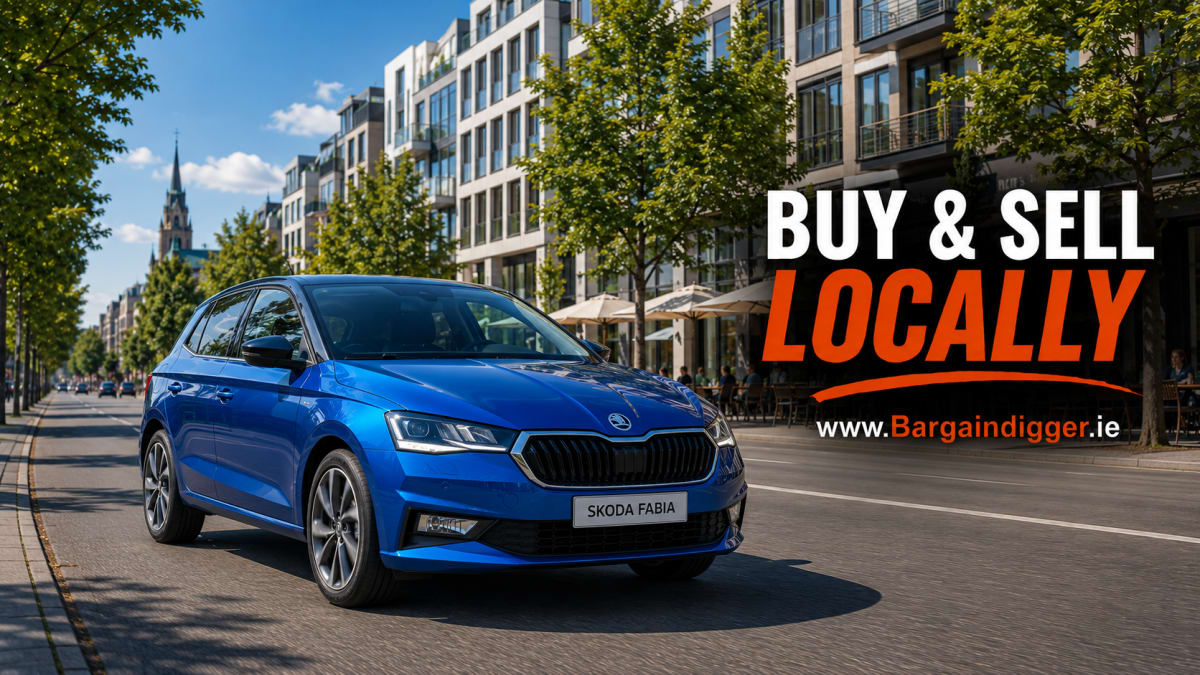
The Skoda Fabia has earned a strong reputation as an affordable and dependable small car. It shares many engines, gearboxes and components with the Volkswagen Polo and SEAT Ibiza, while often offering better value on the used market. Drivers looking for a practical hatchback can explore used Skoda Fabia cars for sale on Bargaindigger.
Is the Skoda Fabia Reliable?
Overall, the Skoda Fabia is considered a reliable used car. Most petrol engines are economical, replacement parts are widely available, and independent garages are familiar with the model. A properly serviced Fabia can cover high mileage without major problems.
Its relatively simple design also helps to keep maintenance costs under control. However, reliability varies between generations and engines, so buyers should always check the service history and arrange an inspection before completing a purchase.
Best Skoda Fabia Engines for Reliability
The naturally aspirated 1.0 MPI petrol engine is one of the safest choices for drivers who mainly travel around towns and cities. It is not especially powerful, but its straightforward construction and low running costs make it suitable for new drivers and short daily journeys.
The turbocharged 1.0 TSI offers noticeably better performance while remaining economical. It is generally dependable when serviced correctly and is better suited to mixed driving, including motorway journeys.
Older 1.2 petrol engines can also be reliable, but early 1.2 TSI versions require careful inspection. Buyers should listen for unusual noises during a cold start and confirm that all recommended maintenance has been completed.
The 1.4 TDI and 1.6 TDI diesel engines can deliver excellent fuel economy. However, they are better suited to regular longer journeys. Cars used mainly for short trips may develop diesel particulate filter, EGR valve or emissions-system problems.

Common Skoda Fabia Problems
Although the Fabia is generally dependable, used examples can develop several age- or mileage-related issues:
- Suspension wear: Worn bushes, drop links and shock absorbers may cause knocking noises on uneven roads.
- Electrical faults: Window switches, central locking, sensors and infotainment systems should all be tested.
- DSG gearbox problems: Automatic versions need smooth gear changes and evidence of correct maintenance.
- Diesel DPF issues: Diesel cars driven mainly on short urban journeys can experience blocked particulate filters.
- Water leaks: Check the carpets, boot and spare-wheel compartment for moisture.
- Air-conditioning faults: Make sure the system produces cold air and operates without unusual noises.
Skoda Fabia Manual vs Automatic Reliability
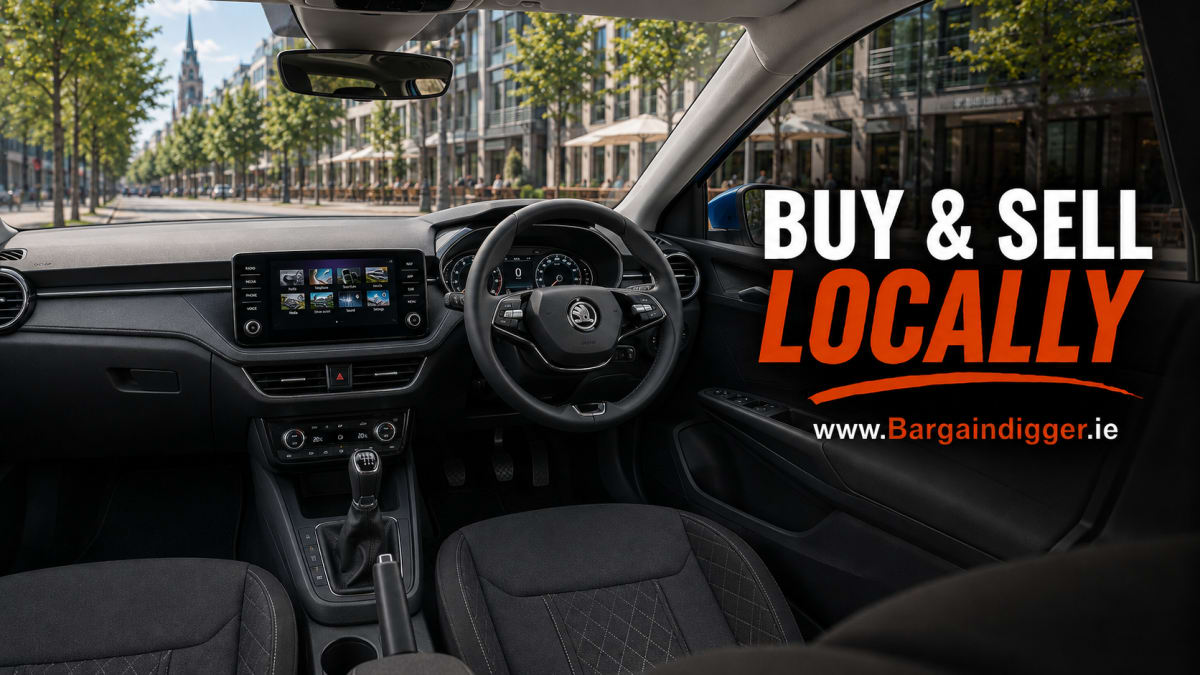
A manual Skoda Fabia is normally the simpler and less expensive option to maintain. The clutch should engage smoothly without slipping, vibration or excessive noise.
The DSG automatic gearbox provides quick and comfortable gear changes, but potential repairs can be expensive. During a test drive, watch for hesitation, shuddering, warning lights or harsh changes between gears. Buyers comparing different options can view automatic Skoda Fabia cars for sale before deciding which transmission suits them best.
Skoda Fabia Running Costs
The Fabia is usually affordable to own. Smaller petrol engines provide good fuel economy, insurance can be reasonable, and tyres are generally cheaper than those fitted to larger cars or SUVs. Shared Volkswagen Group components also make replacement parts relatively easy to obtain.
For drivers covering mostly short or moderate distances, a petrol Fabia will normally be the most sensible option. Diesel versions may offer lower fuel consumption on long motorway journeys, but their emissions systems can make them more expensive to maintain when used incorrectly.

What to Check Before Buying a Used Skoda Fabia
Before purchasing a Fabia, check the following:
- Complete service records and previous repair invoices
- Timing-belt or timing-chain maintenance where applicable
- Clutch operation and gearbox performance
- Suspension noises on rough roads
- Dashboard warning lights
- Air conditioning, windows and central locking
- Signs of accident repairs or inconsistent paintwork
- Tyre condition and uneven tyre wear
- Evidence of water inside the cabin or boot
A cold start is particularly useful because rattling, smoke or uneven running may be less noticeable after the engine has warmed up. A professional inspection is recommended if the car has limited service history or unusually low mileage for its age.
Is the Skoda Fabia a Good First Car?
Yes. The Skoda Fabia can be an excellent first car because it is compact, easy to drive and relatively economical. It also offers more passenger and luggage space than many other small hatchbacks. Insurance costs depend on the driver and engine, but lower-powered petrol models are usually the most suitable versions for younger motorists.
Is a Used Skoda Fabia Worth Buying?
A well-maintained Skoda Fabia is certainly worth considering. It may not feel as fashionable as some newer crossovers, but it delivers strong practicality, sensible running costs and dependable everyday transport.
The 1.0 MPI is best for urban driving, while the 1.0 TSI provides a better balance of power and economy for motorists who regularly leave the city. Diesel models can still be worthwhile for high-mileage drivers, provided the car has been properly maintained and regularly driven on longer routes.
Final Verdict
The Skoda Fabia is one of the more reliable and practical small cars available on the Irish used market. Choosing the correct engine, checking the maintenance history and completing a careful test drive are more important than simply looking for the lowest price.
Visit Bargaindigger used cars to compare vehicles from different sellers, or browse the latest used Skoda cars for sale in Ireland. Bargaindigger makes it easier to buy and sell locally through one convenient online cars platform.